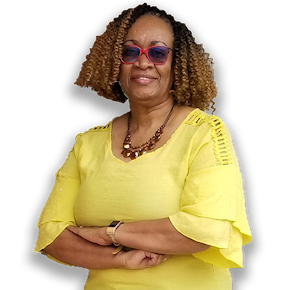

In this episode of Dr. Sev Talks Money, I sit down with Dr. Amirra Condelee, a pediatric occupational therapist turned fintech founder, to discuss the hidden wealth gap affecting many high-achieving professionals.
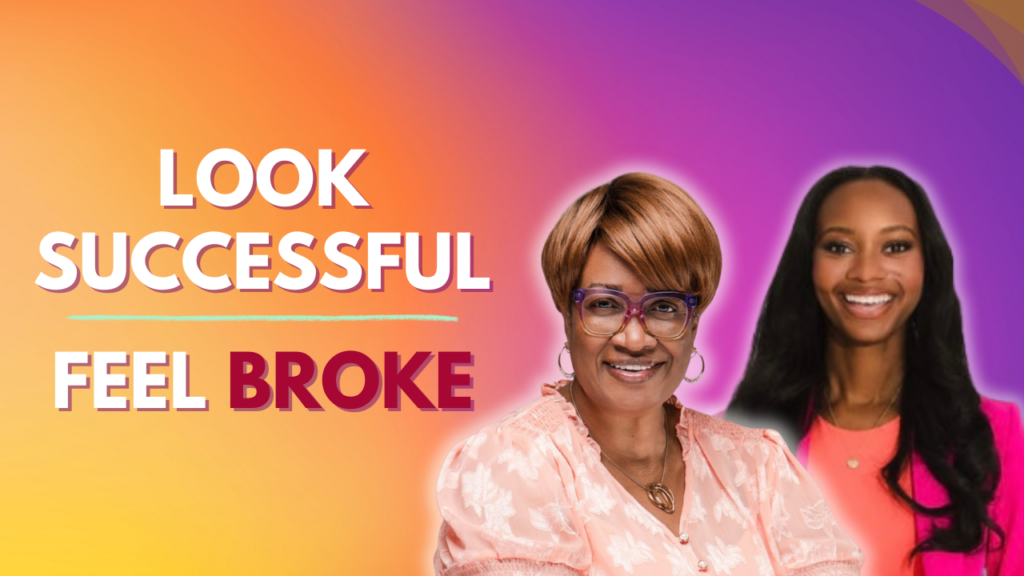
Together, we discuss the financial pressures many successful professionals quietly face, the mindset shifts needed to build wealth, and why financial literacy is critical for closing the gap between looking successful and feeling financially secure.
After paying off more than $500,000 in student loan debt, Dr. Amirra and her husband co-founded RouteFin, a financial marketplace designed to connect healthcare professionals with trusted financial experts, resources, and education all in one place.
In this conversation, we cover:
• Paying off $500K in student loan debt and the lessons that came with it
• The financial literacy gap in healthcare and other high-income professions
• Why success on paper doesn’t always translate to financial security
• How mindset and money habits shape long-term wealth
• The mission behind RouteFin and helping professionals navigate their financial lives
Women on the Move is a Women’s History Month series highlighting women who are building, leading, and redefining success on their own terms.
Connect with Dr. Amirra Condelee
Website: http://www.routefin.com (release to public, March 13, 2026)
Email: he***@******in.com
****************************************************
Join Dr. Sev’s free community for women here: https://www.skool.com/wealth-warriors-community-1025/about?ref=98f6434472254253b84ed49d2cce7860
The Dr. Sev Talks Money podcast’s mission is to empower women to approach money confidently, reframe their financial habits, and build a future where their money is a tool for opportunity and security.
Through Dr. Sev Talks Money YouTube channel and Podcast, I provide actionable advice and inspiration to help you achieve financial freedom. Join me for one-on-one coaching, group sessions, workshops, or speaking engagements as we journey to financial empowerment together. It’s never too late to begin again—let’s make it happen!
Here is one way you can support the Dr. Sev Talks Money podcast and YouTube channel:
https://www.buymeacoffee.com/DrSevTalksMoney
My website: http://www.sevtalksmoney.com
YouTube: https://www.youtube.com/c/DrSeverineBryan–SevTalksMoney
LinkedIn: https://www.linkedin.com/in/severinebryan/
Podcast transcript
What if the most successful looking person in the room is the one losing sleep over their finances? Hello everyone and welcome to the Doctor Sev Talks money. Podcast. This is the Women on the Move Series where we highlight women who are building, leading, and redefining success on their term. Today we’re talking about something that doesn’t get discussed enough, the hidden wealth gap that can exist even among high achieving professionals.
Sometimes success looks great on paper, but behind the scenes we’re trying to figure out how to build real financial security. Joining me today is Dr. Amirra Conlee. And correct me with the pronunciation of your name.
You got it. That was perfect. You got it.
Who, uh, with her husband paid off over $500,000 in student loans and co-created a, a company that we’re gonna be talking about later in the show. RouteFin, uh, a financial marketplace that’s designed to connect healthcare professionals with. Trusted financial experts, resources, and education all in one place.
And even if you don’t have student loans, what shared here can benefit you and your finances. Amirra, welcome to the show.
Thank you so much for having me, Dr. Sev. I’m so happy we connected a couple months ago. It’s just been such a pleasure to watch everything that you’re doing in the finance space and yeah, I’m excited to be here on International Women’s Day.
Not what? Yeah. No. So yay. Love it.
I’m looking at that. Look at that.
Yes. Lined up perfectly.
I woman watch, we roar.
Right.
Okay. So I always like to start off with a little icebreaker, something to ease into the money discussion. Mm-hmm. If you could teleport anywhere in the world for dinner tonight, where would you go and why?
Okay, I’m, first thing that comes to my mind is Houston, Texas. And I could, there’s so many different places I could have named, but the first thing that came to mind is Houston. I used to live in Houston, and the diversity of cuisine in Houston is remarkable. There are so many different people, so many different types of restaurants, and one of my favorites is, uh.
Gosh, there’s so many. I have so many favorites, but I love a good curry. I love a good jerk chicken. Anything from um, like Nigerian cuisine or gosh, Ethiopian cuisine, like I feel like Houston is the best place that I’ve had that type of food and yeah, give me some lamb meat. Some, some go. I am all about it, so yeah, not too far.
I don’t gotta teleport too far, but I would take me to Houston to eat tonight.
Oh, okay. Okay. Yeah, I think I would wanna go to France. I’ve always had a desire to go to France. And I took Spanish and French in high school. Well, in, yeah, in high school for the first three years. And then your last two years, which of course I grew up in Jamaica, so the system is a little different.
Mm-hmm.
And you choose whether you want to continue with Spanish or French, um, or both. And I chose French and I took four more years of French in college. And I, my dream was to go to France. Wow. And live for a year. Mm-hmm. Then life happened.
That’s how it goes.
Alright, so Beverly, thanks for joining us and Dr.
Ninja Turtle and Betty, thank you all for joining us. So let’s dive into the meat of the of today’s show. You and your husband paid off over $500,000 in student loan debt. Kudos to you for that.
Thank you.
That is an incredible journey. So how did that experience reshape the way you think about money? And how did it ultimately lead you to the work that you’re doing today?
Yeah, so I feel like to answer that question, I gotta take you all the way back to the beginning because a lot of times people hear that number and they’re like, what in the world? How did you, how did you even land, uh, in end up in that much money? And so, uh, I was a practice as a pediatric occupational therapist, and so I came outta school with about 270 K.
My husband is a nurse anesthetist, so he does anesthesia hospital. And he came out with about 230 K. So we got married, we know we’re in our twenties, we don’t have kids yet, and we’re staring at $500,000 of student loan debt. Now I was, this was before my whole financial literacy journey. I was like, everyone has debt.
I’m probably just gonna die with the debt. Who cares? Let’s just do the minimum and like live our lives. Right? And he was like, Hmm. Let’s talk about that. And so he was really the one who was like, you know, I want us to do better. Neither of us came from families or, or childhood, you know, having these type of conversations about what it means to build generational wealth, to learn how to invest, to actually pay off our student loans.
And so he really wanted to change the narrative. And so it took a little bit of convincing on my side, and I was like, all right, I, I see what you mean. I see what I see. The, the vision that you have for us, especially as we started thinking about, um, we, at the time we were married, but having, you know, growing our family and things like that.
And so we were like, let’s. Come up with a plan to actually tackle the debt. Now, I will say we have always been very open and transparent about money in our relationship and our marriage. In fact, the very, one of the very first questions that Mozzie asked me during our first date was, how much student loan debt are you in?
And we love to tell this story because people are like, there’s no way he had, he asked me that question, I said he did, because at the time I was moving around for OT school a lot, and I was just, you know, I was traveling, I was doing vacations. And he was like, how are you affording all of that? Like if you’re a.
Student. And so it was so funny, but it really did open up that conversation early on for us. And so now when we’re talking about getting out of student loan debt, it wasn’t any hesitation with, you know, talking about money, which can oftentimes be a friction point in a, in a marriage. And so, but for us, we were used to having these conversations loosely about money.
Um, and now it was like time to actually take it. And so we, over the course of, I graduated in 2019, he graduated in 2021, and by 2025 we were debt free. So it definitely wasn’t an overnight thing, but it did happen a little bit faster than, you know, a lot of people would think that, that we were able to get out of it within this, you know, couple, couple years span.
Um, and so I, I really feel like that journey is what opened up my eyes to being like, like I mentioned earlier, what is generational wealth? What does it mean to build something, not only for our. Selves, but the our kids and our kids’ kids. And, um, you know, it was a journey. It definitely was, like I said, not an overnight thing.
And, uh, there were a lot of lessons learned along the way, but I’m, I’m so happy that we went on that together and, um. Came out on the other side and just, it really prompted us to do some deep dive about what, where the gaps were, which I’m sure we’ll talk about, but where the gaps were and, and how did we come up, you know, come out with that much debt and how, how did that impact the way that we practice and things like that.
So yeah, it was definitely a journey.
Yeah. Well, let’s talk about the gap, because yeah, a lot of us go into, um, what we deem high. Um, high paying professional jobs. Mm-hmm. Which most times require us to have high loans, you know? Right. Um, because, because again, for, for those advanced degrees we have to take loans of, very seldom do you have grants and, anything outside of loans.
Mm-hmm. They’re seldom offered. We go for those higher degrees. And I like you, I well, like your husband. Mm-hmm. I was very focused on paying down my student loans, and I did a lot of things. I’m not paid off nearly to 40,000. I, I never had undergrad loans. Mm-hmm. Or master for my master’s, but for my doctorate I did.
Mm-hmm. And I really focused on paying down. And I paid about 49, you know, 40,000 or so. Mm-hmm. And then I stepped back and I was like, no, I’m getting older. I’m getting ready to retire. I’m not going to give as much energy Yeah. To paying off my student loans. I’ll still pay them ’cause I took the loan. Um, but it, I’m putting more money on emphasis on investing mm-hmm.
And growing my money. And we can talk some more about that.
Yes.
But, um, you notice a gap and you are. Now realizing that someone needs to fix this.
Mm-hmm.
So let’s talk about that gap.
It really starts, where does it start? So many ways that it starts. So first of all, you have, you know, 18, 19, 20 year olds taking out mass.
Sums of money to get degrees without necessarily understanding the ROI, the return on investment. Right. And so that is what, that’s the category. And I’m very open and honest about the mistakes that I made that led me into that much, um, that much student loan debt for the profession that I was going into.
Um, and so in my eyes I’m like, yeah, that makes sense. ’cause I’ll probably come out and I’ll make maybe a hundred thousand dollars. And so I do the quick math. I’m like, okay, I could pay it off in like three or four years. Mm-hmm. And so you don’t really have an, an actual idea of, first of all, interest rates.
Had no idea what that meant. And how it actually played a factor into paying back the loan. And so, you know, you, you, my point is you’re, you are giving these young kids access to all of this money without understanding, well how much can I realistically expect to make? I think a lot of times for women too, we have to think about our career.
And I’m sure we’ll talk about that in a second too. But the fact that I ended up becoming, wanted to be a stay at home mom after I had my first baby, and now I don’t wanna practice clinically anymore, but I still have this debt and what it looks. Like to now navigate that in a marriage when you have, you’re down to one income and so things like that.
And so, you know, it really starts from that. Lack of financial literacy a lot of times in the home. How we grow up our money beliefs and narratives and how that’s shaped in childhood. How we carry over that, those things into adulthood and now we’re taking out this money to get degrees and, and not fully understanding the scope of what that means.
I also always say that the money doesn’t. Feel real because you click a few numbers on the screen. Yeah. It shows up in your bank account. You know, you get, some of it goes to the school, but then you get these massive refund checks and that feels like free money. And you’re like, great, I can spend this without thinking about the fact that you gotta pay it back.
And so there are so many gaps within financial literacy, just basic things like, you know, budgeting, understanding terminology, um, you know, all, all of those really fundamental things that we should. We should learn. It would be nice to learn in school and we don’t. And so I just, yeah, I just saw all of that and I was like, gosh, that, that’s really how I ended up in that position of being in so much debt.
’cause I was taking out additional loans. I took out like a private loan in grad and undergrad and then, you know, you have all of this interest and then. The interest capitalizes. Mm-hmm. And so you don’t pay it, and then the interest gets on top of it. And so it, it really did come from that lack of financial literacy.
And that is where I realized there’s this massive gap, especially in healthcare, where we don’t have these conversations. And it’s very much a narrative of, well, you don’t go into it. To get rich, right? You go into it to help people. You’re gonna help people in the hospital. You’re gonna help save lives and make the increase the quality of life as an occupational therapist.
That’s more along the lines of what I do within rehab. Um, but it’s still like, well, yeah, I didn’t go into it to be rich, but I also don’t wanna live paycheck to paycheck either. So like, we have to have these conversations and we’re not learning it at school. Then we come out and we have high debt, but we have decent salaries, and then we have no idea.
What to do after that. So, um, yeah, this is just an area that I, I feel like I, I always knew was an issue, and then I lived it, and now I’m like, oh, wow, that’s a really big issue in terms of like,
yeah.
Graduating and paying it back, you know?
Yeah. We’re optimistic about, mm-hmm. Knowing, okay, we’re going to make the six figure or whatever.
Right. The high six figure, mid six figure. So we’re thinking. This debt, I can just knock that out because I’m making six figures.
Mm-hmm.
But we, we haven’t really sat down while we’re going through the, the programs to say, okay, this is what I’m making, but I also need to pay for car. Yes. A lot of things, expenses that we don’t have in college, we’re going to have.
Mm-hmm.
Um, so we’re gonna have all these additional expenses. We’re gonna wanna have fun too. We’re gonna wanna do all these things and we haven’t really. We haven’t been introduced while we’re going through the program of, to, um, looking at your budget mm-hmm. And saying, yes, you’re gonna meet this high figure, but on the other hand, you have all these expenses, you’re gonna have to pay back that loan.
Right. And, and, and not only that, there are certain types of payment plans that you may not qualify for. Mm-hmm. So, you know, those things we we’re not told. We just given a big pocket of papers to sign. Mm-hmm. So I’m hoping that if somebody’s listening to us, whether here or in the replay, that you are going to really do the evaluation.
You’re going to do the analysis and talk to maybe not somebody in the student loan office because they probably don’t care.
Yeah. Or have the time to walk you through all of
that. Yeah. Yeah. And some of them don’t even know. They’re just there to push papers. Yes. Um, let’s be honest, right? So find someone who you can talk to about these things so you can set up a, a plan.
How are you gonna pay this loan back? Mm-hmm. Because you may not get a job out of college right away and in six months they want their money. Yeah. So what are the different scenarios? What if looking through the what if scenarios and then planning accordingly. So thank you so much for bringing that up.
And we’re gonna talk a little bit later about the program that you’ve put in place, or the platform mm-hmm. That you and your husband have built. To help healthcare professionals and I’m sure other professionals too.
Absolutely.
Yeah. To manage their debt.
Mm-hmm.
Uh, because it’s not about if, it’s when, so we wanna make sure that we, we are putting things in place to manage that.
When, so before we continue our discussion, I wanna just take a quick pause. Hey friends, quick pause. If you’re enjoying today’s episode, the best way to support the show is to share it and leave a rating on your favorite podcast platform, and you know it. Five is our favorite number, and if you’re watching on YouTube, don’t forget to like, subscribe, and share.
Thank you. All right, so let’s, uh, continue the conversation because many professionals, especially in demanding fields like healthcare can look incredibly successful on the outside.
Yes.
But they’re financially overwhelmed. Their finances are in a shamble. Okay. Not everyone, but a lot. Mm-hmm. So what’s one mindset shift you believe more women and really professionals in general need to hear when it comes to building wealth and financial confidence.
I really believe strongly that we have to take control of the narrative. You can’t wait or rely on anyone else to guide you through this. Even if you are in a very supportive partnership or you know, relationship marriage, you have us. Spouse who maybe understands this stuff, and you don’t, you still have to do that due diligence on your side of things because you wanna be in control.
Now again, it’s a, it’s a partnership, right? And so like, I obviously am married, I’ve talked about my husband, and so we both have very open conversations about money, but it’s. Still my responsibility to understand certain things too. And so I think just realizing that as women, we don’t have to take a backseat to the conversation when it comes to finances.
And I think for not even, I think I know for a long time, and there’s, you know, there, there’s still people who feel like, that’s kind of what the guy, the men do the finance, right? The women don’t do the finance. We do, uh, the homemaking and the child rearing and like, we have our careers and things like that, but we don’t think about like the finance stuff sometimes.
And so really understanding that we. Do have that power. And I think now, definitely nowadays, it’s becoming more prominent to see women in finance. And I love that, which is why I am, I am so inspired and motivated by the platform that you have and the space that you create for women to share our stories.
Because again, historically we were not part of these conversations, and so a lot of these. Platforms that exist now or maybe existed back in the day, didn’t really cater towards the needs of women. So we think about the, like I said earlier, if you wanna take a, a career pause, maybe, maybe you’re young, but you know you wanna have kids, you know that you eventually maybe wanna be a stay at home mom.
What does that look like and how can you financially prepare? I think it’s also important when we talk about this discussion and I, I. Keep, you know, going to motherhood and stay at home mom because it’s a big part of who I am. And even though, you know, I have the platform, I have a career, I am also a stay at home mom to choose very small kids.
And so it’s always in the back of my mind of how can women still be in control of that narrative when it comes to finance. And so things like figuring out, uh, your retirement and how can you still invest for retirement, even if you’re a stay at home mom. If your husband owns a business, can you talk about being on the payroll so that you can.
Still be investing, which is something that we recently did. Mm-hmm. And so there are just so many ways for women to still be involved in the conversation about money, but it really starts with that mindset, mindset shift of being like, I can be in control of this too. I don’t have to just kind of divert and let other people figure it out.
It’s like you really do have to, like I said earlier. Do your due diligence. Um, and sometimes it’s hard ’cause like it’s not always fun to talk about finance. Now for us, we probably love it. You know, the people who love personal finance, we can talk about this stuff all day long. Um, but the fact of the matter is like, most women don’t wanna be sitting there looking at a spreadsheet.
Yeah. I mean, you know, it, that’s just kind of how it is. And so it’s like, well, that find ways to make it fun. Find other women that you can connect with, where you guys can have these empowering conversations. Because when you are in control of the narrative, when it comes to your finances, whether you are.
You know, single woman, married woman, whatever. Um, it really does give you that sense of empowerment and feeling like no matter what happens, I’m okay. I’m in control. I have an emergency fund, I’m, you know, set to retire whenever I want to. Like, those kind of things are just so important. So yeah, I really, really strongly believe that we have to remember that we have so much power and that women are.
Heroes. We’re, we’re like geniuses. So I mean, we can figure it out. I always tell people if I can figure out investing and what the heck a 401k means, I promise anyone can. ’cause I again, didn’t grow up having those conversations, but I did. I, you know, I learned on my own. I, I, I taught myself a lot of things.
Got the, the coaching and, and sought, sought out the resources to, um, you know, just to educate myself. So yeah, we, we have that power. That’s, uh, I guess that would be the, the one big mindset shift that, that I would emphasize for sure.
Yes. And I concur because we. We are powerful when we set our minds to it.
And um, yes, society tells us that put us in little boxes. You know, the men do this and the women do this. Yes,
exactly.
Um, and unfortunately, many times women are not the CFO of their home the certified financial officers,. Mm-hmm. And a, a death happens, a spouse passes away or divorce, then women we’re scrambling
Yes.
To figure out what the finance is. We, we, we signed the tax, tax documents, but. We don’t even know what we’re signing. Mm-hmm. Um, so we, we are boxed in this little corner because we are either scared or, um, we feel like it’s not my place to talk about finances. It’s his
place.
But what if there, what if that partnership dissolves?
What do you do then? Mm-hmm. Yeah. And this is why platforms like these that this is why I do this work, because I want you to understand the power as, um, Dr. Amirra was saying, I want you to understand your power. You, you are awesome and wonderfully created. Mm-hmm. And you have power to take control of your finances.
You don’t have to go in there saying. I wanna know what’s going on with the money, right? But you need to understand, right? Mm-hmm. ’cause when you do, then you, if you, again, if anything were to happen, then you have that control, you know enough
mm-hmm.
To be able. To take care of your kids if you do have kids, and you mentioned community.
Community is so, so key when it comes to these things because silence creates shame and shame hides in silence.
Mm.
It hides when we, when we don’t have a community, when we don’t have people we can talk to about the things we’re going through when it comes to our money. We feel like we’re alone. Like we’re the only one going through it.
And so community is very, very important, which is why I have a community of women and men on the Skool platform. So you need to check me out. Mm-hmm.
Yes.
Uh, somewhere in in the description, it’s, it’s, it’s there. Check us out and come join us and it’s free. Um, and I’ll be doing a workshop on credit, um, on Wednesday, so join us.
Nice. So for someone who isn’t in, well in healthcare, because again mm-hmm. When you are, when you’ve gone through schooling and you are a, in those fields, you, your salary is typically. Um, an average higher than, um, the typical person right. Going into you accounting or, or some other field for, but, so for someone who isn’t in healthcare, who may not have that, um, the higher salary, but still feels that disconnect between looking successful and feeling financially secure, where do they start?
What are some things that they can, they can do?
Yeah, what I was saying earlier, really it starts at that foundation, that foundational level of just understanding the basics of personal finance. And so I think people hear the word budgeting and are automatically like, woo, that feels restrictive. Like, but I always say you have to reframe those things and understanding that.
Budgeting is what allows you the freedom and flexibility to do the things that light you up in your life, right? There’s always a balance, and I’m never gonna come on here and preach. You know? You have to deprive yourself of everything while you’re getting out of debt or while you’re figuring out your finances.
Like you definitely should still enjoy your life. You worked hard. Whatever field you’re in, you worked hard to be able to get to work. You are. And so being able to enjoy that, but then still being responsible enough to do. The things that you need to do to set yourself up for the future. I think a lot of times too, we often forget about the role that mindset plays in things.
Mm-hmm. And when people think about, okay, well I’m gonna get my money together, it’s immediately, okay, what app should I download? Or what spreadsheet should I use? What financial professional should I talk to? But before we do that, let’s talk about your spending habits. Why do you spend the way that you do?
What are some of those beliefs that you have about money? How is your relationship with money? I can tell you for myself personally, I really equated, and people say money doesn’t buy happiness, but I would often default, this was in my like early twenties, you know, college years. I would default. If I’m having a sad day, I need to pick me up.
I’m gonna go shopping and I’m gonna find a pair of shoes, right? And I’m not gonna just get that one pair. I’m gonna get that same pair of shoes in all the colors because that’s gonna make me happy in this moment. And I’m not gonna think about what that means for my. Credit card in a few months. Like you don’t think about those things, right?
And so it really is figuring out, but where did I learn that? And how can I reframe that narrative to be like, okay, this is a very temporary fix to how I’m feeling. What does that mean and what can you uncover deeper? And so I love the fact that we now have financial counselors, financial therapists, people who.
Specialize in you tackling the mindset portion of things, because that’s really where it starts. It can, it also starts with the foundational things, understanding the terminology, the basics, uh, the basics for per personal finance. But it really, really does start with a lot of mindset work. And I had to go through that.
I had to heal my own relationship with money and how I was viewing it so that I could learn that it really is a tool to help get you to where you need to be. It’s not something to fear, it’s not something to feel like I can’t talk about it. Um, it’s not something to even be like, I don’t want. More of, because the truth is, at some point in my life I have been like, well, well, money would’ve made X, Y, and Z a lot easier.
And so being okay with that feeling versus being like, oh, that’s greedy to be like, I want more money. Right. Um, and so yeah, a lot of it starts with the mindset. And like I said, there’s. So many people out there now who can talk you through that and uncover what those beliefs are, how can you reframe that?
How can you, um, yeah, just, just starting with the mindset. I’ve, I have a friend in the personal finance community who wrote a book called Wealth as a Mindset, and I think that it was just so, so powerful and understanding how we can shift. How, how we can shift our mindset to believing that we are capable of more and understanding the, the role that money really plays in that path.
So, yeah.
Yeah, yeah. Um, money is is about 90% emotion
Yes.
And 10% the numbers. I, I never start with the numbers when I talk with clients. So True. Because it’s never the numbers. Um, I could make you a budget. I could have you make a budget.
Yeah.
But if the mindset doesn’t shift, the budget doesn’t matter. It doesn’t matter.
And, and you’ve talked about the, the fact that. For a, a budget really is not restrictive. It gives you more freedom because when I know this is what I have to spend on shoes and this is what I have to spend on eating out, I’m freer to make those choices. But instead of worrying about, well, should I eat out today?
Create a budget that includes the fun things, right?
Mm-hmm.
We need, we need to make more money to be able to enjoy the fun things. Go do that extra thing to mm-hmm. To make, to enjoy it. Um, because budgeting is never restrictive. It’s never about No, it’s always about, yes,
yes.
I love that.
How can we do the things that we enjoy? Put put some, um, hearts in the, in the comments, put some hi in the comments. If you are watching us, let us know where you’re watching us from. Um, we, we wanna, we want some engagement. We’d love to engage. Let us know you’re there and if you have any questions, please pop them in the chat.
Mm-hmm.
So. So for you right now, you’re navigating motherhood, entrepreneurship and building a mission-driven company, which we’re gonna talk a little bit about how has your definition of success evolved? In this season of life.
Yeah. I feel like it has gone through so many different steps based on, as you can hear, my toddler in the background.
Perfect timing for that. And yeah, my definition of success really has changed drastically, and I will say it all did. Start with the birth of my, my son. He, uh, just turned three. And it really changes everything you hear that you hear when you become a mom. Everything changes, but you really don’t understand it until you are in that moment and you’re staring at your baby and you’re thinking about how you want to do better, not only for yourself, but now for this tiny little human that is relying on you.
And so I, I think in the beginning, my version of success pre-kids, there was a version of me who was very ambitious. I was very driven. It was, you know, how many things can I be involved of how many. Speaking engagements, can I do, um, how much can I do? I very much equated, you know, busyness and productivity with my worth.
And I can admit that like that was a huge part of who I was. And then I had my kids, um, and it became different. It was, how can I just show up to be the best mom that I can be in this moment when my is having a meltdown? How can I, you know, create. Experiences for my kids that maybe they involve money, maybe they’re free, whatever.
But how can I create what I can create to give them the best, uh, you know, childhood that I can? And so it really shifted away from that hustle and bustle culture, you know, that we, we feel, and that pressure, especially as women, to just be doing, doing, doing all the time. It slowed me down. And so then my version of success became how slow can I live?
Can I really lean into this? Slow living soft life era. Uh, I decided to become a stay at home mom. I was like, you know what? I don’t want to practice clinically anymore right now because I wanna be able to pour into my kids. Not saying you can do, you can’t do both. However, I will say I was a pediatric occupational therapist.
So I worked with kiddos who had different, you know, delays, di disabilities diagnoses. And so, um, at the end of the day I was like, I wanna be able to show up for my kids. And I know that pouring into kids all day long and then going home to pour into my kids is gonna be hard. And I could recognize that that capacity gap that I would’ve been.
Um, you know, left with, and so I did decide to stop practicing clinically and I poured everything I had into motherhood. And then I had my second and, uh, she just turned one. So I have a one and 3-year-old. And then I started to feel like, you know what? I miss that little part of myself, that preki part of myself that loved to be engaging in something that wanted to build something that wanted to feel like I was pouring back in a different way.
Because pouring into your kids is huge too, right? You’re raising literally the next generation, the next. Uh, members of society. And so that’s huge. That starts at home, and so I’m not, you know, taking away from either one. But I was also just like, I kind of miss being that part of myself, that, that part of myself that really light, light lights me up.
And so then my definition of success changed and it was like, well, how can I have some harmony in my life? I don’t say balance because I feel like it’s really hard to get balance, but how can I have harmony between motherhood but, but also career and also supporting other professionals in my field. And so that is what led me to, uh, starting my company along with my husband and i’s.
Payoff journey. Um, and we’ll talk more about RouteFin and what we’re building there. But yeah, it really did start with me being a mom and, and pouring into motherhood for a while, and then feeling like I was ready to integrate parts of myself that, um, not that I’d lost or had let go, but that were just on pause for a second.
And then it was okay. And I felt like I got into a good routine with being a mom and understanding a little bit how things work. But you know. I with moms, you know, everything, you feel like you got a good handle on something and then changes. Your kid goes through a sleep regression, you’re like, okay, here we go.
So, um, obviously those things still come up, but I, I love that I’ve now been able to define this version of success with me still being a stay at home mom. Um, but now still being able to pour into another part of, of the career side of myself during. Nap times and bedtimes typically before they wake up.
And so, um, yeah, it’s, yeah, it’s just, I think that’s an important part of being a mom is to have these different areas that light you up and be able to pursue them.
Yeah. And thank you Nicola, for joining us um, here. Um, Beverly and, and Betty is still, they’re still hanging out with us. And Nicola, thank you so much for joining us.
So let’s talk about RouteFin and what you are, that platform that you are mm-hmm. You are building because, you know, you, you went through the process. You, you realize that, hey, I can’t continue doing what I’m doing, so let me pay this loan off. And then you said there are other people who are struggling.
Mm-hmm.
So let me do something that will benefit those people and here comes RouteFin. So talk to us about that.
Yeah. So what happened is we paid off our, we made our last student loan payment. Valentine’s Day of last year of 2025. We made it very symbolic. We were like, we are breaking up with student loans today.
And so that’s when we paid ’em off. Um, and we were just, we started to share our story again. We’ve always been pretty transparent and open about our finances within, you know, our friends or family, people who ask us questions. But we ended up going on like the BiggerPockets Money podcast. I am the host of a podcast.
So we did an episode together, we did a couple different speaking things and we just started having. So many healthcare professionals, in particular other healthcare professionals too. ’cause what we’re building isn’t just limited to healthcare, but we have a healthcare background and so we, um, know a lot of the, the, the struggles that healthcare providers have when it comes to finances.
So that’s why we kind of zeroed in on that niche. But we, uh, we just had all kind of people coming to us and be like, Hey. How did you navigate, you know, your debt? Like I also have, a, a decent salary. Like I wanna be able to tackle it, but I’m nervous about it. I dunno what I’m doing. Um, and so we found that we were having a lot of people come, you know, contacting us and we are not.
Financial planners, we, I’m a financial educator. I’ve done financial coaching. However, the more intense things that people often need when it comes to comprehensive financial planning, we were not equipped to do. And so we were like, well, we can’t necessarily do it. And also we’re parents and we have two toddlers, and so we don’t have the capacity to do that.
What if we developed a one-stop shop, a marketplace of sorts where you could, we could direct people and be like, Hey, I can’t necessarily walk you through every single thing, but I know an amazing person who can, I have a great financial counselor who can talk to you about, you know, getting your credit together.
Or, I have a really great financial planner who can walk you through what investing in your 401k work would look like. And so we had a lot of these connections already because we. Had immersed ourselves into the personal finance world. And if you know, you know, like once you’re in that rabbit hole, you don’t come out of it.
Yes.
So we had, so we had so many people that we have connected with over, the past several years, and, um, people that we just trusted and we knew that they wouldn’t take advantage. They weren’t going to try to scam you out of money or give you, you know, any sort of things that you don’t need and, and you don’t say that you needed.
And so we were like, we want to be able to connect, uh, the people who are coming to us with people who can help with. Them with their finances. So that’s really the idea of RouteFin. And I’ll tell you, it was inspired by Route 66. We were living in Arizona at the time and we actually lived directly off the street Route 66.
And so it’s a very symbolic name for us. It’s where, um, you know, we, we had our kids in that house and so. We love this idea of, uh, the connectedness that the interstate, you know, obviously offers. And so we were like that. That’d be, that’d be a fun way to, to think about it as us just trying to connect healthcare professionals and other professionals too, with the financial experts, primarily through our marketplace, but also just.
The financial resources and um, education. And so we kind of developed this educational platform as well where we do, um, monthly webinars. We have guest speakers who come in and talk about certain topics. We are together launching a podcast this spring ’cause we just love to yap about finance in general.
I have my own podcast I’ve been doing for about. For years. And so it’s really this area where healthcare professionals, they see themselves a lot of times in our story of having this really high amount of debt and wanting to be able to tackle it in a way that still feels comfortable. Like I said, we believe in balance, so we’re never gonna tell you to deprive yourself, but we are gonna, you know, hold you accountable to, let’s actually log into your profile and see how much debt you have.
See what kind of plan, you know, would help you to, um, just achieve the things that you wanna achieve. So yeah, RouteFin is really, it’s really mission driven in that we ultimately want to increase financial literacy among healthcare professionals. And our tagline is because, you know, we say financial freedom isn’t just for Wall Street, it’s for us too.
Because a lot of times people feel like, well, as a healthcare professional, like we don’t really talk about money stuff. That’s more for people in accounting or in finance or. You know, this term tech bros. And it’s like, no, we are a part of that conversation too, and we deserve to have that holistic lifestyle where, you know, physical wellness, mental wellness, well financial wellness is also part of it.
And so we’re just huge believers in advocating for financial literacy and financial wellness, specifically for healthcare professionals who are often, um, you know, not really having those conversations. So yeah, we’re about, uh. Almost. Well, yeah, we’re a little over a year old. We founded it last March, so about exactly a year today.
And, um, we’re really excited because our marketplace is actually officially launching this week at the end of the week. And so that is a space where we are excited to welcome any, anyone to come in and browse around. We have curated an excellent, amazing group of financial professionals, including Dr. Sev here, who is also in a marketplace who you can, you know, connect with and figure out.
I I, I have this specific goal for myself. You know, I, I wanna get, um. I wanna do better with my finances. I wanna make this the year that I finally figure out what it means to invest. And you’re able to browse our profiles, browse our listings, and figure out, you know, who is gonna help support you in those goals.
Uh, we go through an application process, and so we have met one-on-one with each of these people who are in our marketplace. We believe that they share our exact, you know, not we, we know that they share our, our values and, and the things that, um, are important to us at RouteFin. And so they’re bringing their expertise and their lens.
So yeah, we’re, we’re very, very excited to see it come to life. It’s always cool when you have an idea and then it goes from an idea to something real that you can now share about. And so, yeah, we are, um, just excited to be, to be part of the voices and personal finance, specifically now to support other healthcare professionals.
So.
Yes. And for those of you who are listening and may not be watching the video, it is RouteFin R-O-U-T-E-F-I N.com. So you can always go check it out. The, the full release of the website is going to be on Friday, but you can still go on there and look at the main part. Well, yes, the, the about section of the mm-hmm.
Of the website and then the part where the, the partners are going to be.
Yeah. The part with, um, providers that would be an available to you on Friday.
Yes. Mm-hmm.
I don’t see any questions in the chat or any other comments.
So, Amirra, thank you for being on the show. Um, I have enjoyed our discussion.
Yes,
I wanna thank you for sharing your story and the work that you’re doing with RouteFin and how you arrived at this space. And everyone who joined us today. Thank you for being part of the conversation. Today’s discussion is a reminder that success on the outside.
Doesn’t always mean financial clarity on the inside. Amirra mentioned the tech bros. That does not mean they have their finances together, have you a , a doctor who is overweight. The good news is with the right information and intentional decision. People can absolutely begin to close that gap.
There are many of us who’ve done it and I did it not making six figures until much later in life. So, so again, if you found value in this discussion, be sure to follow, subscribe, and share it with someone who might need to hear it. And since there are no more questions, until next time, this is Dr.
Sev reminding you. Please take care of yourself and your money. See you next time.
Thank you for having me. Welcome.