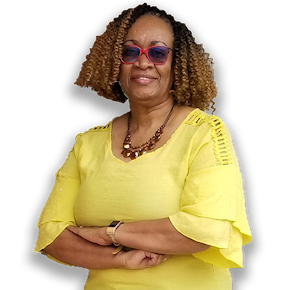

Have you ever assumed that someone with a degree and a good credit score must have their finances together?
Many people assume that a good income, a strong career, or an excellent credit score automatically means financial success.
Attorney and financial literacy educator Karlesha Hewitt learned firsthand that this isn’t always true.
In this episode, Karlesha shares how she paid off nearly $60,000 in debt in two years, the money habits she had to change, and why learning the language of money transformed her life.
We discuss financial literacy, debt payoff, budgeting, accountability, money mindset, and practical ways to build lasting financial confidence.
****************************************************
Join Dr. Sev’s Wealth Warriors Community for more financial discussions and insights (FREE to join): https://www.skool.com/wealth-warriors-community-1025/about
****************************************************
The Dr. Sev Talks Money podcast’s mission is to empower women to approach money confidently, reframe their financial habits, and build a future where their money is a tool for opportunity and security.
Through Dr. Sev Talks Money YouTube channel and Podcast, I provide actionable advice and inspiration to help you achieve financial freedom. Join me for one-on-one coaching, group sessions, workshops, or speaking engagements as we journey to financial empowerment together. It’s never too late to begin again—let’s make it happen!
Here is one way you can support the Dr. Sev Talks Money podcast and YouTube channel:
https://www.buymeacoffee.com/DrSevTalksMoney
My website: http://www.sevtalksmoney.com
YouTube: https://www.youtube.com/c/DrSeverineBryan–SevTalksMoney
LinkedIn: https://www.linkedin.com/in/severinebryan/
****************************************************
Karlesha’s information
Karlesha V. Hewitt, Esq. founded WisdomChild Consulting in 2023 with a heart toward equipping people with the tools, resources, and wisdom needed for life changing empowerment and long-term financial stability.
Primarily through Financial Literacy Education, she helps people Get Wisdom That Cannot Be Taken!
Karlesha’s perspective comes from learned and lived experience. After exposure to various perspectives on saving, budgeting, paying off debt, and wealth building as well as practical application, Karlesha paid off close to $60,000 in debt over a two year period (not including student loans).
Then she began leading and teaching others through dynamic, interactive, and interpersonal financial literacy workshop courses.
Connect with Karlesha:
🌐 wisdomchildconsulting.com
📅 June cohort: search “Money Talks Academy” or “Karlesha Hewitt” on Eventbrite
Work she supports: Girls on a Mission with Ambition https://girlsonamissionwa.org/
00:00 Can You Have a Great Credit Score and Still Struggle With Money?
01:53 Karlesha’s $60,000 Debt Wake-Up Call
05:10 The Podcast That Changed Her Financial Life
07:00 Facing Your Financial Reality and Creating a Plan
08:45 Support the Show
09:10 Signs Someone Looks Wealthy but Isn’t Financially Healthy
13:05 Financial Shame and Why It Keeps People Stuck
15:20 Staying Motivated When Budgeting Feels Overwhelming
19:10 Faith, Stewardship, and Financial Goals
21:45 Why Community Accountability Matters
25:00 Free Ways to Improve Your Financial Literacy
28:05 Teaching Money Across Different Life Experiences
31:10 Money Talks Academy and Financial Transformation
33:05 Information vs Transformation: Why Action Matters
34:00 Final Thoughts: Learn the Language of Money

Transcript
Be honest. Have you ever looked at someone with a degree, a good job, or a professional title and assumed they must have their finances together? Maybe that someone was you. Bills paid on time, credit score looking good, and yet something about your money still isn’t adding up
Hey, hey, hey, Savvy Squad. Welcome to another episode of the Dr. Sev Talks Money YouTube and podcast. If you’re new here, I’m your host, Dr. Sev, personal finance educator and coach who rebuilt my credit from the 500s to 850 and paid off $39,000 in debt after a late-life divorce. I help women 40 and over create financial stability after divorce and build wealth with confidence, no matter their starting point.
Today’s conversation is such an important reminder that financial struggle does not always look the way people expect it to. We’re talking about something that trips up even the most accomplished, educated people among us, and that is the gap between looking financially stable and actually being financially free.
A high credit score and paid bills can fool you into thinking you have it together when underneath the surface, the habits and the knowledge just aren’t there yet. I’ve lived it. If you’ve ever felt like you should know better by now, this episode is going to meet you right where you are And I have the perfect guest to take us there.
She is an attorney, a financial literacy educator, and the founder of Wisdom Child Consulting and Money Talks Academy. She paid off close to $60,000 in debt in two years, and has since helped hundreds of people across wildly different backgrounds do the same. Karlesha, welcome to the show. What a blessing and a gift.
Thank you so much, Dr. Sev. I’m so looking forward to this conversation. Yeah, and I’m excited to have you here because, um, I can hear shades of my experience, and then I know there’s some parts that, some experiences that you have that I don’t have that will benefit our audience. So I’m ready to get right into it.
So, uh, you have the credentials, a law degree, over a decade in public service, and yet still found yourself nearly 60,000 in debt. What was your relationship with money like before you became financially literate, or that light bulb went off?
Mm-hmm. And what made something finally click and say, “This is not it”? Yep. So I love this question, right? Because it assumes that everyone has a relationship with money. Mm-hmm. I believe that one of my biggest troubles when I was 28 years old in 2018 was that I didn’t really have a relationship with money.
Uh, I used money. I spent it on things, right? I used money to accumulate debt. I used money, not in any way that was beneficial to me. And so ultimately my problem was nobody ever really taught me how to interact with money. So I wouldn’t say I had a relationship, because I didn’t have a plan, which means I didn’t really know where my money was going and what it was doing.
So there’s no relationship. That’s the problem. What changed my mind, to answer your second question, is in 2018, that’s around the time where, uh, podcasting started to get really popular, right? Mm-hmm. And I gotta be honest with you, I wasn’t looking to change how I was handling money, ’cause I didn’t think I was doing anything wrong.
I didn’t, I wasn’t even thinking about it. Yeah. I was looking for a good podcast to listen to. So I asked my homegirls, I’m like, “Hey, what are you guys listening to?” And one of my friends said, “Oh, you’re not gonna like it. Me and my husband, we listen to this old country guy. People call his show and they ask him for feedback about how to get out of debt, how to save, how to invest, et cetera.”
So I’m like, “Okay, I’ll bite.” I start listening to this podcast, and Dr. Sev, it changed my life. What happened is I immediately began to think to myself, “There’s another way to handle money?” Like, I had no idea. It was all- Yeah … this new information that was being exposed to me, right? So what I did, and I know everybody’s not like me, right, but I am a type A, I’m an achiever at heart.
Uh, when I learned this new information, I was all in, right? So I very quickly began to apply the strategies that I learned. I purchased a book on Amazon used, probably for less than $20, and I ultimately began those strategies that that man would call baby steps, and I was able to follow that plan and get out of debt in those two years.
But it wasn’t without its pitfalls, it wasn’t without its troubles. It was blood, sweat, and tears, okay? Yeah. But my point is, that new wisdom, that new information is really what did it for me. It woke something up inside of me to want better for myself. But I could not have known that without exposure to new information.
Yes. And, and this is where podcasts like these come in- Absolutely … because it helps people to see that there are different ways to do things. And, um, I’m like you. I was doing all the things. I was in my church, I was tithing, I was teaching personal finance. I, I didn’t even know there was a world outside of, you know- Mm-hmm
like a personal finance world. I just knew that I loved talking about money, I loved reading books about money. So I was doing that. I was teaching in my church, I was helping people with their finances. I was doing all the things, not realizing that just because I’m saving, I’m paying bills, I’m doing, you know, my s- my savings account is okay, my credit is okay, that that’s…
There’s more beyond that. There’s more. And it took my divorce to wake me up- Mm-hmm … to be more intentional about the things that I was teaching and the things that I knew. And then, of course, I started expanding my horizons. So there’s somebody who’s listening to us right now who may be in the same position.
They’re like, “Well, my credit score is in the 800s,” and, you know, “My, I have savings,” and all of that. But there’s more beyond that, because a credit, good, great credit score- And I just posted this on LinkedIn, a great credit score doesn’t pay the bills. Come on. It just tells you how you’re a- you’re managing debt.
That’s all it does. It just tells you how you’re managing debt. So you paid off that debt- Mm-hmm … in two years. Walk us through how you actually approached that. Not necessarily just the strategies- Yeah … but the mindset shifts and the habits that made it possible. Mm-hmm. And so one of the first things, right, and not to get too deep in the strategy, but one of the very first things that I encourage for students, for anybody looking to get out of or change their financial situation is you gotta know your stuff by facing it.
Okay. That’s the first step, right? Face, look at your stuff. Look at the bill. Open that envelope. Log in, see what you owe. What’s the interest rate? You know, how far behind are you, if you’re behind? Now, I wasn’t behind. You actually, in the beginning, you were explaining me. I don’t know if you realize that. I was the person who had an excellent credit score.
I could have taken out another $50,000 loan the next day, because I paid my minimum payments. But that was my problem, right? Yeah. And so my first encouragement is you gotta know what you’re dealing with. So write down, how much does it cost me to live each month? What are my monthly expenses? What are my debts?
How much do I owe these companies? And then you gotta figure out, where can you cut? But there’s some other things you can do. I won’t go too deep right now, right? Mm-hmm. ‘Cause you didn’t ask me all that just yet. But what I do wanna say is, again, clarity is the way- Yes … to freedom, right? Uh, uh, we perish for a lack of knowledge.
If you know, you know, and I’ll say it a different way if you do not know. A person who doesn’t have wisdom can’t get out. Yes. Yes. Yes. I mean, I could not have said it better myself. Uh, if you don’t know, how do you fix what you don’t know? You can’t. How do you get to New York if you don’t know the directions or the, the ways to get there?
Mm-hmm. And just like you can get to New York in, with several different ways, flying, driving, walking. Yes. Riding. New York from the Sub, the subway, from the Sub. You know, so many ways. Mm-hmm. But it’s, the, the destination is New York. Now you find out which is the best way that f- fits me, my personality, my, my capability, my capacity.
Yeah. What is the best way? And it’s the same with money. Understanding who you are, what you have, and where you need to go- Mm-hmm … can give you, help you create strategies- That’s right … to get there. So on that note, we will come back with Karlesha with some great discussions. But right now, take a listen to this.
Hey, friends. Quick pause. If you’re enjoying today’s episode, the best way to support the show is to share it and leave a rating on your favorite podcast platform. And you know it, five is our favorite number. And if you’re watching on YouTube, don’t forget to like, subscribe, and share. Thank you Awesome.
All right, so you’ve clearly lived that experience. Mm-hmm. And now when you’re sitting across from clients, what are some signs that someone may look financially stable on paper, but may be struggling a little bit financially? So I’ll tell you this, right? I had a client who was a doctor, a s- deep six-figure earner.
When I say deep six figures, I’m talking like 200K plus. That’s deep to me, right? Yeah. That’s not your average six-figure earner. Plus, her husband’s salary, who was also a doctor, so we’re talking about, you know, $400,000 household, right? Mm-hmm. And she told me her st- her story, her testimony, and she told me that her parents were Indian immigrants.
They came to this country, and she didn’t really have anything. She didn’t grow up with money. So when she hit it big, her and her husband, they work really hard. They met in med school. They get married. They have this huge beautiful house in Long Island. Mm-hmm. She didn’t know how to steward finances ’cause nobody ever taught her, you know?
The people that she came from couldn’t teach her, and so she’s a generational curse breaker and a pioneer, and she’s looking at me like, “Hey, girl, you’re a professional. Um, you also come from nothing.” I’m a first-generation Jamaican-American, right? So every dollar that I had, by God’s grace, was built up from nothing.
Yes. I started at ground zero, right? Yeah. And then now I’m a homeowner and I have investments and, you know, and I’m building this thing, right? So I can tell sometimes that someone does not have it together because they own a large house, they drive a really nice car, they have a excellent career according to the world’s standards.
But if I ask them about high-yield savings accounts even, let’s go there, that’s basic. That’s like ground level. Mm-hmm. They don’t really know what I’m talking about, right? Yeah. Um, I can ask them about stock market, and they’re talking to me about independent stocks from Robinhood in 2020, not mutual funds.
They don’t even know what a Roth IRA is, right? Like- Yeah … there are certain kind of key things that could let me know where a person is, is at with their financial illiteracy. Um, and to say it a better way, just learning what they might not know because nobody ever prepared them, right? Yeah. ‘Cause the word illiterate is like a ugh word.
Yeah, yeah. You know, and I do use it regularly in my business, I’ll be honest, but I also want people to understand there’s no shame to this thing. We all have to start somewhere. The goal is to finish well when you- Yes … start well, right? So. Yeah. Yeah. I mean, I love that you said that, um, about the, um, financial illiteracy.
Um, it carries a certain stigma, right? Right. But it’s, for us, i- we wanna em- emphasize there is no shame. There’s none of us here who ever grew up and, and just knew about money- That’s right … and just knew what to do, never made mistakes. As much as we talk about it and we live it and we teach others, we’ve made mistakes and we’ll make mistakes- For sure
’cause we’re human. The human element is always present, and when the human element is present, you’re going to make mistakes. The good thing about having the knowledge and being exposed to the knowledge is you’ll know what to do- To make that mistake or that mess into a blessing. Yeah. You’ll know how to turn it around.
So yes, as Karlesha said, make sure that even if you’re feeling shame, try to figure out how you can undo that, how you can get rid of that, that mindset. Because what shame does is hide the solutions that you can have. Mm-hmm. It, it makes you feel like you’re only, you’re the only one, and we’re gonna talk about community in a little bit, but it makes you feel like you’re the only one.
And when you feel like you’re the only one, then you don’t wanna talk about it. And when you don’t wanna talk about it and you keep it to yourself, you don’t get exposed to the things that can help you come out of that, that mindset That’s right. So budgeting can feel tedious. We know that. It can. I teach people how to budget, but that’s not w- that’s not one of my favorite thing about this world, but, you know, it’s a necessary thing.
Necessary. And you can find the one that works for you. So and life has a way of derailing even the best plans. So what keeps you and the people you coach motivated when things stall or feel overwhelming when it comes to budgeting and making sure your money’s on point? Hmm. So I’m gonna go somewhere for just a second, and I promise I won’t stay here for too long, unless you have me to stay here for long, right?
First of all, uh, my foundation is I’m a believer in Jesus Christ, right? Because of that, there is this innate hope and expectation that I have about my future, specifically my financial future. Yeah. And that’s contrary to some Christian circles, honestly, because a lot of times many Christians believe that it’s, you don’t wanna think too much about money, right?
It’s almost, like, taboo. Like, ugh, don’t touch it. But for me, the story of the talents kinda lives in my mind, right? And, and then the long story and short of it is, right, I believe that we’re all given something to steward, to manage here in the Earth. Money is a part of what we’re given. And so God has a plan for me and how I use the money that he’s given me access to, right?
Now, my job is to come into alignment with that plan with my decisions, right? And so when I’m teaching people how to budget or when I’m facing my budget, the one thing is I have this constant expectation that even if I feel a lag or I’m looking at the investment portfolio and I’m like, “Ugh, what is happening this week, this month, this year,” right?
Mm-hmm. I can keep going because I’m like, “I didn’t hit that thing that I’m expecting yet.” Yeah. I have to keep going ’cause I know there’s more. As you were saying earlier, too, there’s more. There’s a number for me. There’s some goal that I’m aiming at. If you are not living the financial life that you have in your mind, in your desires, in your journal, then keep going, right?
Yeah. Because as long as you don’t give up and keep going… Uh, there’s a scripture, it’s a proverb. It says, um, “All hard work brings profit. Mere talk brings poverty,” right? Yeah. It’s something that I introduce people to sometimes, and I’ll call it a historical saying, depending on the circle I’m in. But- … the point of that is there’s fruit in your labor.
If you give up- Yeah … you don’t get to see what happens when you keep going, right? Yeah. So that’s something that definitely keeps me motivated, that idea that no, no, I still don’t have seven properties yet. You know? Like, there’s more. My goals haven’t been achieved yet fully, so I gotta keep going until I can touch it.
Yeah. Yeah. There, is more. And, you said that about the, people and, talking about money. Um, the problem is again, is the teachings. We haven’t taught people- How important money is. Because it is important. Yes. If it wasn’t important, there wouldn’t be more scriptures in the Bible than any other subject- Right
about money. There are more scriptures in the Bible on money than any other subject. Right. And that’s because it’s important. And so we’ve been taught not to talk about it, not to say it, not to dwell on it, but it’s not about d- that. It’s about understanding it- Yes … and how we can steward it So we can be a blessing to ourselves- Yes
and those around us. And that’s my philosophy, and it’s backed up by the Word. So, Come on backed up by the Word, I love that. So, let’s talk about community and accountability. I’m, I’m a strong proponent of community. Yeah. So why is community accountability so important when people are trying to change money habits?
Here’s what I know, and you kinda touched on it earlier, right? This idea that there’s such a, a veil of secrecy when someone is struggling with financial literacy or money management or paying their bills or achieving their goals. And it’s like, how on earth do we expect to learn anything if it’s all a secret, right?
So in community, my thing is, it’s education by application and the safety of community, right? In other words, there’s such a thing as positive reinforcement, positive peer pressure, right? Yeah. If I’m around four people who are doing better than me financially, I have a whole lot I could learn. I can absorb and become a sponge.
And despite the, you know, the shame, put the shame aside. Okay, let me… Hey bro, hey sis, here’s what I’m dealing with. How did you get there? Tell me what you know that I don’t know so I can grow- Yes … and, and be- surpass you, right? Yes. But the problem is, we take that shame, like you said, and we go in a corner somewhere, and then we stay stuck looking the part and never being the part, right?
Mm-hmm. So my goal with a lot of clients who are six-figure earners or just, you know, working professionals, is to get them into the right realignment. Many, many times they’re just prioritizing the wrong thing. So it could be that, you know, they are saving, but they giving a whole lot, and they’re not doing anything else with their money.
They’re just giving. And they’re like, “Well, I’m a great person. Look at how much I give.” And it’s like, girl, your children need college savings for their future. Yes, balance. Prioritizing. Yeah, reprioritizing. And you can’t even know what to prioritize if you’re not reading about money, uh, seeing posts about money on a regular basis.
I say total immersion in community is also a great way to unlearn bad habits. So- Yes … let’s say you never wanted to spend a dollar on financial literacy. Let’s say you’re like, “Listen, I don’t have money to invest in that.” Uh, YouTube is free. YouTube University is free. Instagram, if you curate your pages, when you start double-tapping and following people’s pages and start clicking notification bells for a bunch of financial literacy educators, guess what’s gonna happen to your timeline?
It’s going to become an active and, and moving financial education source for you, right? So there’s so many free ways to get good at money if you just allow your mind to be exposed constantly to new information. Yeah. I love- Instagram is a great place. Yeah. I love that you said that because I always tell people- You have no excuse.
You really don’t. Not at all. There are podcasts, there are YouTube, there’s books. There, there are just so many things. Just find the people who are credentialed, who are not gonna tell you some, some pie in the sky thing- Yeah … or something they haven’t experienced themselves. Find those people and follow them and listen and, and you will learn something.
And just like anything else, you, you eat the meat and throw away the bone, right? Right. My mom used to say that all the time. You get the- Amen on that You know? You, you, you listen, you’re like, “Okay, that does not fit my, my lifestyle. That does not fit my personality.” Yeah. “That doesn’t make sense for where I am.”
So you don’t have to dwell on it and say, “Well, that doesn’t work. Does…” No. You just say, “Okay, that doesn’t work. What, what does work?” What’s working? Come on. Yes. That’s fair. And then you, then you apply that, and then you go back and listen again, and you get the new thing. You don’t have to do all of it at one time.
Yeah. And here’s the thing, too, that a lot of people get so, um, focused, laser focused on certain things. You can always change your mind. Come on. That’s what I say, Dr. Sev. It’s just a decision. Just do it. You can always change your mind. That’s right. If you say, “Okay, I’m, I’m doing this, I’m following this person.
I’m gonna apply this,” and you’re like, “Eh, it, this, this doesn’t feel right for me,” you don’t have to keep going just because it’s that person that you’ve put on a pedestal as the person who knows everything. You don’t have to keep going. You can just say, “No, what you’re teaching is not working for me. Let me go over here.”
Ever. So you can always change your mind. That’s right. And there’s too many different ways to get to a successful end- Yes … for you to stop because the one that you invested in didn’t work out. Yes. Keep going. Yes, yes. Keep going. There, there are stories and stories. We can read, um, biographies. We can see people’s lives play out.
And, and the ones who are honest will tell you what… where their… areas where they’re struggling. They’re- Yeah … they’re not gonna paint a picture of perfection online- That’s right … if you’re following people online. They’re gonna say, “Hey, this month I messed up my budget. Here’s what I did, and here’s what I did to fix it.”
Mm-hmm. Those are the ones you want to follow. Yeah, yeah, yeah. ‘Cause- So you gotta know … you’re gonna mess up. Yeah. And you wanna see how to… the mindset shift that needs to happen when you mess up. If… The ones who, who are perfect all the time, who, uh, you know, always saving, always doing this- Yeah … eh, I’m a little bit leery of those.
Unrealistic. It’s unrealistic. Yeah. Even the most successful budgeter, uh, the people that I’ve learned from, right? They’ll tell you, “Man, but I did this two years ago”- Yeah … “two months ago, two weeks ago.” Yes. Right? Yeah. The good news is when you have the strategy, when you have the wisdom, it’s something I could…
It’s, it’s a slogan in my business, “Get wisdom that cannot be taken.” Yeah. Because even when you mess up, when you know what to do, you just get right back on track. You just- Yes … you know the next step. But if you don’t even know the next step- You’re stuck in that loop, right? Yes. Yes, yes. I’m loving this talk so mu- so, so much.
Oh, I love it. So your program, Money Talks Academy- Yeah … has reached some really diverse communities. Ah, yes. Incarcerated individuals, students with special needs, uh, shelter residents, six-figure earners. So let’s talk about it. How do you make financial education land across such different life experiences?
Yeah, yeah, yeah. Um, and I’ll answer this question by saying this, right? Uh, it’s really important to me to meet people where they are, right? Yes. Because when I was listening to this new information, the, the, the teacher, right, he was speaking to me at a level where I was. And whenever he said things that were over my head, like for instance, when I first got into this learning about financial education, I didn’t know anything about stocks or anything like that.
And I would kinda tune out, if I’m being honest, because I wasn’t listening for that at the time. But my thing is, where are these populations that I’m serving? Where are these people? For instance, when I was in the prison, um, those guys were likely to get out within the year, and many of them had to start at zero.
So my focus was, how do I educate people on where to begin when you’re starting at zero? When I’m teaching at-risk teenage girls, which there’s a, a, a nonprofit agency, I’ll shout them out, Girls on a Mission with Ambition, um, serving teen girls in New Jersey. Whenever I’m teaching them, I realize that this is…
this has to be an interesting conversation, ’cause we’re talking about teenagers, short attention spans. Yeah. There’s a lot more interactivity, workshops, uh, doing in a hypothetical form so they can think through financial decisions rather than just read about it or hear me talking about it, right? So when I’m doing one-on-one budget sessions with adults who have very serious issues, I spend less time lecturing and more time looking at their numbers, their bank account, and talking them through, “Here’s what I would do if I were you, and here’s the why.”
Because then you’re unlearning and relearning with your own information. It’s no time wasted, right? Yeah. ‘Cause you don’t have time to waste when you got real bills. Yeah, yeah. You’re not just a student learning. You’re… Something’s on fire, and you need it put out right now, right? Yeah. So it just depends.
It depends on who I’m serving and what their needs are. Of course, students will come and say, “Hey, I’m focused on this,” right? For instance, I have the Money Talks cohort, which I’m sure we might get into. There’s a particular student, and I’ll ask them, you know, “Write the vision and make it plain. What is your goal right now?
If you could achieve a money goal right now in 2026, what would it be?” Right? “Write it down.” And it doesn’t mean I’m gonna help you achieve it, but I know I’m gonna help you unlearn what’s needed to unlearn so that you can get- Yeah … a step closer, right? Yeah. Her goal is, um, this is an older woman, she’s wanting to establish, to be able to afford and establish a trust for her family.
And she’s a homeowner, right? And so do I teach about trust? No, but I do life insurance and estate planning, the basics, and I have resources. So if I don’t know, or if I can’t help you, another big part of meeting people where they’re at is connecting people to the right people when you’re not the right person.
So that’s another fun fact. If you’re looking for a financial educator, if they wanna be your answer or your end-all be-all for everything, they might be suspicious, and you might wanna think twice about working with them. That’s all I’m gonna say. I just love that you said that. True, man. I love it. A lot of people mess people’s lives up because they want that money, they want that payment.
It’s all about that dollar, yeah. And they will do s- try to provide service they’re not qualified for- That’s right … to get the money. And that’s one of the reasons why I built a list of referrals, because there are certain things I may not have the time for it. Absolutely. I may not have the capacity for it.
I may not have the training for it, the skills for it. Whatever it is, I have people in my network- Yeah … who I can say, “Hey, this person is very good at this.” Mm-hmm. “And so I’m gonna transfer you to them.” And it could even be with, with personal finance coaching. Yeah. I may just realize that, yes, what you want is a little bit deeper.
Maybe you need coaching plus financial therapy. Yeah. So I’ll send you to somebody tw- who, who has both of those credentials. Right. So th- you know, just knowing what people need and understanding that I am not the answer- That’s right … and being able to ch- to forward them to somebody is just such a… I think it’s a golden strategy, so I’m loving that you said that.
Absolutely. So let’s talk about your upcoming cohort. I know you have a Money Talks Academy cohort coming up. Who is it designed for, and what can they expect? So Money Talks Academy cohort. It’s my first time doing a cohort. I usually do workshops in person and one-on-ones, but this is actually virtual, so it’s available to people statewide, countrywide, right?
Um, out of country-wide. But it’s designed specifically for people 18 and older, adults, male, female, right? Who are employed, who have income coming in, and who are struggling with establishing a debt payoff strategy, a savings strategy, and investing strategy for their future. And a side note, I do sell life insurance, so of course in the midst I’m also teaching about the value of investing in life insurance policies, right?
For your retirement or just to insert money into your bloodline when you pass away. So the cohort looks a lot like education by application. I said it earlier. It’s not about lectures or slides, which I do that in my workshops, right? That’s different. Instead, it’s about giving them homework that holds them accountable to look at their stuff, and then we’re unpacking it in the safety of community.
I’m asking people to watch certain videos where they can get educated, certain podcasts that they can listen to, whether my own or others that have phenomenal information that’s gonna expose them to new information at a deeper level. And then we come together and we kinda think through, “Well, what were your takeaways?”
And I have a challenge list. It’s like 25 challenge lists, progress, right, challenge list. So for instance, one of the things on that list might be, okay, uh, a no-spend week. Close one of your credit cards this week. Um, you know, just certain things that, that run the gamut because everybody needs something different.
Yeah. So they’ll get to choose what’s suitable for their risk level. Yeah. Yeah. And I call it a risk level because when you’re new to something, as much as you’re hopeful that, you know, you’re gonna get out of this cohort and be financially educated, you might be scared as ever to cancel a credit card. So maybe that selection is not for you.
Maybe you go with something lighter like, “Okay, I’m gonna shop with grocery lists this time, this week.” And then next week when I see you, we’re gonna unpack and hold you accountable in community. Did you do that thing you said you were gonna do? Well, why not? Or how did, far did you get? Or congratulations, we’re gonna positively reinforce your wins- Yeah
in the safety of community. I will warn everyone who’s listening, I limited it to 10 people only, ’cause it’s really important to me this first go-round to have that intimacy- Yeah … so that people can feel safe to share their real numbers, their real struggles, to cry if they need to cry. Yes. ‘Cause I’m gonna have you look at your bank statement, and I’ve had students in my in-person classes break down in tears when they realize what they did, the decisions they made, right?
So it’s not hypothetical, it’s your stuff. You’re gonna face- Yeah … your stuff, then we’re gonna work through it and hand hold you together, right? So that, I’m so excited about it. Um, there’s only 10 slots. I have four slots left, six people secured. So come on if you’re interested. You know I’m happy to have you.
I don’t know if I’ll continue to do it, but I have a strong feeling I’ll do some version of it. And by the grace of God, I also have a Skool community, so these people in this cohort will be able to join the Skool community. Right now it’s a private community only for the cohort members, but in the near future I will be opening it up, and we’ll see what God has in store for the future concerning this thing, you know?
But I’m so excited for that cohort ’cause I know people are gonna leave with transformed thinking, and that’s my main goal. Yes, yes, transformation. Information is everywhere. Yeah. But transformation is the real goal. That’s right. Yeah, yeah. Change something. Do something with what you know. Yeah. Don’t just know stuff.
Let me say that real quick. I know you didn’t ask me this, right? ‘Cause we’ve been doing a lot of encouraging to, uh, get the education, get educated, right? But you cannot stop at accumulating information. Yeah. I know people that you get so educated that you do nothing ’cause you’re like, “Uh, I know too much now.
I don’t know where to start. This one said invest. This one said save the high interest rate.” Right. “Pay that off. This one said debt snowball.” My thing is start somewhere and start today. Yeah. That’s it. Yeah. And as we said, you can always backtrack. You can say, “Okay, I started here, but, uh, this is not working.”
It is. “So let me try a different thing.” You know, you can always change, ’cause we want to make sure that you understand that you are the author of your own destiny when it comes to your finances. Absolutely. We m- we give you suggestions. We, uh, give you options and sh- show you what the possible crows and…
pros and cons are of those options. But the decision that you are going to live with, you’re gonna make that decision based on what ma- what is comfortable for you. That’s right. What you feel comfortable doing. And, and when you make that decision, if you find it doesn’t work, come talk to us. We’ll, we’ll give you some other options.
Again, you can always change your mind. You can always reverse. Sometimes the reversal will may cost you a little bit, but- Mm … you don’t wanna get so far into it that, you’re struggling, but you’re still going because you’re like, “Er, I’m gonna do this.” No. Talk to your coaches, talk to your, your counselors and, and see what you can do to kind of- Make it so it becomes a lifestyle for you.
Whatever choices you make, you want it to be seamless, it seamlessly woven into your life. That’s right. And I’ll- So that it becomes easy to do. You know, it’s become part of you. It’s not a struggle. I’ll say this, Dr. Sev, and one thing I know, ’cause remember now, both of us, right, we’ve lived this thing where we didn’t know, and now we know so well we can teach it, certain things, right?
This thing becomes you. It’s just like any other habit, right? If I start dieting, if I eat a whole bunch of meat and rice, and I do ’cause I’m Jamaican. If I eat a bunch of meat and rice and then I say, “I wanna cut back on rice and I’m gonna cut back on meat,” right? And I do it long enough consistently with discipline over time, compounding interest in this in- investment that I’m making- Yeah
eventually, I’m, it’s gonna be my instinct to say, “Oh, no thank you for that meat. No thank you for that rice.” Yeah. And so it’s the same thing in the finance realm. Once you begin to learn different habits and apply it on a regular and consistent basis with discipline, you’re gonna actually find that you won’t even think about it.
It’s gonna roll off your tongue and you’re like, “Hey, I know what I’m talking about today.” Yeah. Yes, yes. Keep going, and one day at a time. That’s how we’re built to live anyway, right? We’re limited to these 24 hours a day, seven days a week. In the beginning, you could even just make it your goal to make one positive money thought or decision a day, a week, right?
Right. Start somewhere, but just start. I’ma keep saying that. Just start. Yeah. Yes, please. Just start. So let’s talk about where they can connect with you to c- uh, continue to learn more about what you’re doing, and also to, if they wanna sign up for the upcoming cohort. Yeah. So on Eventbrite, you can search up or Google Money Talks Academy, Karlesha Hewitt.
You should be able to find it. Money Talks Academy, Wisdom Child Consulting. It’ll pop up, right? You can visit wisdomchildconsulting.com, and while my website is under construction because it’s a new website, in transparency, the first page is activated and the financial literacy page is activated, where you’ll be able to learn the history, more about me and my offerings, and it’ll connect you to my Instagram and my LinkedIn as well.
Because again, I sell life insurance as well, I teach financial literacy education. And if nothing else, you can join the Skool community in a few months, where you’ll be able to stay updated on different ways to think just based on the posts and the prompts that I’ll have posted. Yeah, yeah. So Karlesha, thank you so much for, speaking with this audience about what you have going on in your journey and sharing the things that you’ve learned because it is so important for us to reach back when, once we learn.
We don’t have to know everything. If I just get to step two, I can reach back to those who are at step one. That’s right. If I get to step five, I can reach back to those who are at step two or step three or step… You know, it’s really how we share that information so we can bring other people along with us as we learn.
Exactly. And I can tell that you’re passionate about what you’re doing, and so I thank you for coming and sharing. And again, you can find Karlesha at, uh, let me put back that, um, that prompt wisdomchildconsulting.com. All this information will be in the show notes and it will be in the YouTube description so that you can go back and look at it and connect with her.
And to my friends who are listening, so many people think they’re bad with money or that they just need to be more disciplined or try harder. Most times the reality is nobody ever taught you the language of money. So once you understand that, now it’s on you to learn the language of money.
Mm-hmm. And this episode is a reminder that financial struggle is not always about income. Sometimes it’s about the information and habits we were never exposed to. So now you’ve been exposed. That’s right. So I invite you to be kind to yourself. And until next time, this is Dr. Sev saying, please take care of yourself and your money.
Awesome. Thank you so much for having me. God bless you. You’re welcome.