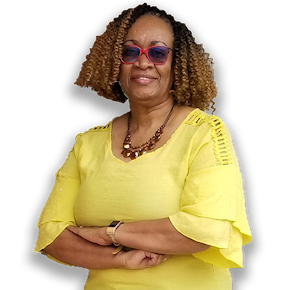

In this episode, we dived deep into the often “taboo” (but oh-so-important) world of estate planning and family legacy with none other than David Edey, certified executor advisor, best-selling author, and podcast host.
Whether you’ve ever wondered what it really means to be an executor, or you’ve heard those “family fight” horror stories, this episode spills all the details: what can go wrong, how to make it easier, and how to turn estate planning into the ultimate act of love for your family.
We’re talking about:✅ Why estate planning is the greatest gift you can leave✅ The emotional toll of being an executor✅ How to avoid family fights over inheritance✅ Tips for choosing the right executor✅ What every woman should know before it’s too lateIn case you’ve been named as an executor or you’re planning your legacy, this conversation will help you prepare with peace, clarity, and confidence.👇🏽 Grab David’s book and connect with him:https://www.davidedey.com/
#EstatePlanning #ExecutorHelp #FamilyFinance #LegacyPlanning #MoneyTalks #DrSevTalksMoney
************************************
The Dr. Sev Talks Money podcast’s mission is to empower women to approach money confidently, reframe their financial habits, and build a future where their money is a tool for opportunity and security. Through Dr. Sev Talks Money YouTube channel and Podcast, I provide actionable advice and inspiration to help you achieve financial freedom. Join me for one-on-one coaching, group sessions, workshops, or speaking engagements as we journey to financial empowerment together. It’s never too late to begin again—let’s make it happen!
Here is one way you can support the Dr. Sev Talks Money podcast and YouTube channel:
https://www.buymeacoffee.com/DrSevTalksMoney
My website: http://www.sevtalksmoney.com
YouTube: https://www.youtube.com/c/DrSeverineBryan–SevTalksMoney
LinkedIn: https://www.linkedin.com/in/severinebryan/
Podcast transcript
You really don’t know about somebody until you have to share an inheritance with them. What you said, because everything we’re talking about right here and getting organized, having your will, preparing your executor, and having conversation with your family, this is the greatest gift of love that you could give to your family.
Yes, yes, yes.
It might be selfish, but if you want to say I love my family, this is the greatest gift of love that you can give is to be prepared.
Hey, hey, hey, Savvy squad. Welcome to another episode of the Dr. Sev Talks Money, YouTube and podcast where we empower women to manage money confidently and create a future of financial freedom, security and opportunity. Today, we’re diving into what it actually takes to settle an estate. If you’ve ever been named an executor or might be someday, this episode will help you prepare emotionally, practically and financially. Joining me is David Eady, a certified executor Advisor with over 40 years in the financial planning industry. He’s the author of the best selling book Executor Help how to Settle an Estate, Pick an Executor and Avoid Family Fights. He also hosts the Executor Help podcast, Stories of Life, Death and Legacy.
And I’m excited to have him on today’s podcast. David, welcome to the Dr. Sev Talks Money podcast.
Dr. Sev, thank you for the invite. And this is going to be a lot of fun. I mean, I know we’re going to be talking about death, but we’re going to get through this together.
Yes, my podcasts are always, it’s always serious, but fun. Okay. So yes, we’ll definitely be having some fun. And because it’s a little bit of a heavy topic, I want to really kick it off with a fun question. What is the most surprising or unusual item that you’ve ever heard someone include in a will or request that’s been made in a will?
Well, one of the most recent I’ve heard about someone telling about in terms of a will, a request, an individual had passed away and they had said that when they passed away that they’d like to be buried with their, with their pet. In this case, it was a cat. And when the person passed away, the executor and whoever was involved with, you know, following the, the steps in the will, they misunderstood and they thought that once the individual had passed away that the cat should be buried with them. So they put the cat down. And I know. And that’s not what was. So it’s probably one of the stranger things I’ve Heard is that yes, you want to follow, you know, what’s in the will, but you also have to have a little bit of, be a little bit logical and common sense because there’s a lot of grief involved. Another interesting one where.
And we’ll talk a little bit about family messiness. And that’s what, when it comes to estate planning is that an individual was telling me about how family had gotten to a fight because the father had asked to be cremated and he lived in eastern part of Canada where I am, and he wanted his ashes, some of it to be scattered in the, in the ocean and the other part to be scattered at his farm where he grew up. Well, that brought up a family fight because the daughter started a big fight saying that she didn’t want her father to be broken up, she didn’t want his leg to be in the ocean and the rest of it or his arms at the farm. So that brought up a whole fight. So when it comes to a will, you have to be careful in terms of what you want done. And also the best thing is to do is prepare in advance and have the conversations with your, not only your executor, but also with your family so they understand exactly what you want. So there’s no misunderstanding or guesswork in terms of what you really mean.
Yes, it sounds like your industry or what you’ve seen is really exciting at times. So that leads me to the question, what led you to this work? Was there a defining moment or personal experience that made estate planning as you.
Said at the opening, I’ve been in the industry for at least 40 years. But it wasn’t until I was sitting on a cold courtroom bench, my heart started to sink. I was listening to lawyers and a judge determine the fate of my parents assets. Assets that the three of us didn’t hold on to. In the end, I lost both my parents to cancer within a year of each other. And it was life changing. I found out, I came to feel, and I knew, I didn’t know that losing both of them was simply the beginning of a long, tough journey. And it wasn’t only because I lost both my parents and the grief that came with it, but also the staggering toll that it took to settle their estate.
It took seven years, 10 court appearances and $50,000 in lawyers fees to settle their estate. And they had a will. And during that time I had stress and the loss drove me to the brink of my own life and health crisis. I ended up having triple bypass surgery and everything during that time, what I was Going through, you know, the dark hours, illegal battles, and all that personal turmoil, especially with my health, I came to the realization that my family was unprepared. Not only unprepared for losing my parents and following the will and their wishes, but we were also unprepared for the inevitability of their death and everything that went with it. And that’s why, you know, there’s a latter part of my career now. I want to help people and teach them easy steps to secure their legacy, because everybody’s got a story of their own or they know somebody where there was a damaging family fight because nobody wanted to talk about the situation, about death or planning for death. But we can break this cycle of silence.
And that’s what I’m hoping to do with my work, so that we can transform the way we think about, talk about, and prepare for death. So when we do that, we can choose not to be afraid. And we can become comfortable with the understanding that when we have some preparation, there’s going to be peace in the family. When we’ve got a plan, we know there’s going to be security. And most importantly, the conversations. When we have conversations, there’s going to be clarity and openness. And I found that by having conversations and. And taking steps, we’re going to spare our loved ones the indescribable grief and pain when we’re gone.
But I’ve also come to find out that death, with his silence, it affects the living. In all the conflicts that happens because of lack of preparation, it doesn’t matter how strong your family might be, it’ll break those bonds. And to answer the rest of your question, I found that and what I’ve made my work to be now that my journey through loss has taught me the most profound legacy that we’re going to leave. It’s not going to be about the money or all the possessions that we have, but it’s going to be rather in the peace that we can instill in those we love by having conversations that we don’t want to have because it is uncomfortable. But it’s important that we have those conversations now.
Wow, it sounds like that was quite an experience. And you described settling an estate as the worst job in the world, and that’s quite the statement. Can you walk us through what makes this process so emotionally and logistically challenging, adding to what you just discussed a while ago?
Well, I mean, you know, I’ve listened to some of your episodes, and I’m comfortable to say this is the least sexiest topic that you’re going to talk about, because no one wants to talk about death. Most people want to avoid it. They want to procrastinate. Or they take the thought that I’m going to be dead, what will it matter? Well, like I said before, death with a silence, it’s going to affect the living. So you need to figure out first, how am I going to leave a legacy? What kind of legacy am I going to leave? A legacy isn’t what you leave people, it’s how you’re going to leave them. So you can make the decision, do you want to leave them disorganized, in chaos, or you can leave a legacy of love and order. And what that start means is that it has to start with having a will. The majority of I’m here in Canada and the majority of Americans do not have a will.
And you would figure the simplest thing that would make life a lot easier is just by having a will. Now if you don’t, you know, if you don’t have a will, what will happen is you, you, you’re known as to die intestate, whether you’re in the US or in Canada. And that means you’re leaving the, the decisions of how your estate will be settled to the government. So I don’t know about you. Would you want the government to decide how your, your, the, your, your estate, your affairs to be handled? Nope. And so the first thing that people should do is have a will. Now a lot of people will say, well, I haven’t got a lot, I haven’t got this, I haven’t got that. You know, that’s only for rich people.
It doesn’t matter. You have some assets, you have a bank account, you have, you have, you might have a home. All of those things need to be clarified and made sure that it’s put in this legal document. Now you might say, well, it’s too expensive to go to a lawyer. Well, then there are a lot of online solutions. You could create your own will and do it online. That will do just as well. But what you’re doing is you’re making decision that I’m going to create a legacy of order and that you’re not going to leave your family disorganized, in chaos.
And that’s where we find a lot of people end up. And that’s where a lot of. I’m sure, Dr. Sev, you probably know of a family or you’ve heard stories of families breaking up or having fights over this very topic of a will or an estate.
Yeah. And the smallest of things, too. It’s not even about the big things. It could be the smallest of things. Somebody’s tv, somebody’s car. There could be a big fight over that. When I told my daughter about my will, if I’m going to travel or going long distance, whether by plane or car, and I’ll say, you know, hey, I want to make sure my will is okay, you know, where everything is. She thinks that’s morbid, but at least she’ll be okay because she will know the password, she will know all the different things.
And so why do you think estate planning conversations are still so taboo in many families?
Because it’s like your daughter said, it’s morbid. People are uncomfortable with it. Spoiler alert. We’re all going to die.
Yeah.
So. So I don’t want to bust anybody’s bubble and say, oh, my God, I can’t believe that’s going to happen. It’s going to happen to everybody. So you just have to make the decision, how do you want to leave? Do you want to leave a legacy, or do you want to leave a legacy and a message and families will break up when you just said, you know, people are fighting over, you know, televisions and little small things. I have a friend of mine, he hasn’t spoken to his brother in over a decade, and it’s all over chinaware. His mom had said that when she passes away, she wanted the dinnerware, the crystal and everything to go to his wife. On the day that they were clearing out his mom’s home, the brother came to him and says, I’d like the the.
The dinnerware and the silverware and the crystal to go to my daughter. My friend said to him, go talk to my wife and, you know, see what you can do. They had a discussion. He came back after speaking to the wife, and he says to the brother, your wife is a. And I’m not going to use the word. And from then on, the family has broken. They haven’t spoken in 10 years, all over fine china and crystal. So it’s the smallest of things.
Again, I heard of a family getting over a fight over a sugar bowl. And so the smallest of things. So you need to decide how do you want to leave your family? Do you? I don’t think most people will want their, you know, whatever they leave behind, that it’s going to mean that the end of their. Their family. There’s three types of families. There’s a family that’s going to avoid and not have this conversation. There’s the family that’s going to. There’s going to be a will, but nobody talks about it, so they’re going to let the paperwork do the talking.
And when it does come to light, it brings up a whole lot of arguments and fights, or just a third type of family where they accept that this is just a natural part of life. Yes, it’s going to be hard, but we’ve had conversations and people understand that this is going to happen. And when it does happen, that you’re best prepared. The first, you know, we’re talking about things and possessions and all that sort of stuff. Like that first chapter of my book is, is just on grief. All the other stuff doesn’t really matter. That’s all the business stuff. But I wanted to focus on how do you handle grief? Because people handle grief differently when there’s a death in the family, and a lot of people don’t know what to do in their loss.
And if you put on that you’ve asked somebody to be the executor, they don’t only have to do the business side, they also have to make sure that they take care of themselves. And that’s where a lot of families can get into trouble. A lot of people handle grief differently. And that’s where we end up with a lot of damaging family fights. I’ve heard of a fight breaking out in front of a casket of a father, two brothers going after each other. You really don’t know about somebody until you have to share an inheritance with them. And the only way you’re going to rectify that problem, make sure that you make sure that it doesn’t happen is that you have a will. You make sure that you have conversations.
You make sure that you have an executor. You make sure that you prepare that executor. Because when you ask someone to be an executor, you’re asking someone to do a really big favor. You’re asking someone to now spend on average 100 hours or spend anywhere between 18 to 24 months. I was speaking to somebody yesterday, and they’re still settling their husband’s estate, and they’re the executor. And there was over 350 items that they had to do to sell a estate, and it’s not even done yet. And we’re going into year four. So you want to prepare the executor as much as possible and make sure that.
Because most people who are asked to be executors, they take on the job because it’s a favor, they Think that it’s a badge of honor. But you asked me the question at the top. This is the worst job that anyone will have to do.
Yeah. You said a couple of things and you said, we want to leave a legacy or a legacy and a mess. And I think that right there speaks to why we should ensure that we have the proper documentation in place because we can leave a legacy in its proper form or legacy in a mess. People stressed, people fighting because we’re unclear. To me, it’s a little bit selfish to not take care of the people you say you love. It’s a little bit selfish to not putting things in place despite your fear or despite whatever else is going on. It’s a little bit selfish to me to not put the things in place to ensure that your loved one are not grieving in addition to trying to figure out what it is that you want. Want them to do.
So I’m hoping that absolutely what you said ab. What you said. Because everything we’re talking about right here and getting organized, having your will, preparing your executor, and having conversation with your family, those are the. This is the greatest gift of love that you could give to your family.
Yes, yes, yes.
It might be self, but if you want to say I love my family, this is the greatest gift of love that you can give, is to be prepared for something that’s going to happen.
Yeah, I totally agree. And we have to do the hard things. That’s what life is, right? We have to make the hard choices sometimes and do things that we don’t want to do. But it’s for the benefit. It’s like when I was growing up, every summer we would take what they call washout. We would take this medicine and we’d make us go to the bathroom all the time. But I never got sick because that’s the thing that they would do. Give you this natural herb to flush your system.
It was hard, but it allowed me to not be sick as a child. And sometimes we have to make those hard choices that is going to, in the end, benefit us and benefit those.
Around us, especially in our community. Statistics have shown that two thirds of those in our community don’t have a will. And we end up with a lot of. A lot of fights, a lot of family. One of the. One of the chapters in my book is based on family member. Not my family, but another family member. And they weren’t left what they.
The. The brother wasn’t left what he thought he should have been left. So what he did was he Spent a lot of the money on the funeral of his brother because he thought he was the executor. But not only that, there’s also land in the Caribbean that hasn’t been, hasn’t been transferred over because some people thought that it should have went to them and it was actually supposed to go to the children, but they won’t sign off, they won’t sign the papers. So we have our own issues within the, in the community where we don’t look after each other. And that also goes back to the family because if you, you know, you grew up with a family member. Because every family is messy. I say this on my, on my podcast all the time.
Every family is messy. We might say, you know what, we get together. I’m, you and I are talking nonsense right now every, because we don’t know their family. Every Christmas, Thanksgiving, we get together, we tell jokes, we got our favorite food, we laugh and we drink and we have a good time. We have absolutely no idea about their family. Well, let me tell you something. All it takes is for a matriarch, patriarch, a mom and a dad to pass away in the family. And this is where you’re going to see who you’re dealing with.
Like I said before, you really don’t know about somebody until you have to share an inheritance with them. I can. And that’s where the idea for my book came out, is that I said at the beginning, I had a judge and two lawyers fighting over my parents assets. And I remember one day thinking, I remember these street people sitting at our Christmas table. I don’t remember passing them any food. Who are these people? And I know my parents had to be spinning in their graves because here we are fighting in, in a court and we’re letting these strangers decide what goes on, what, how our legacy is going to be. Three of us haven’t spent the holiday since my parents passed away over a decade ago. And we’re not expected to because the family is broken, because some individuals felt that they were more entitled.
And that’s what happens when it comes to an inheritance. Some people feel more entitled to some things and they want to take it to the nth degree. They want to end up in court. And I can tell you, going to court, it’s not like an episode of Law and Order. It’s not over in 48 hours. In 48 minutes, you are in court. You’re sitting in, it’s long days. And you know who’s making the money?
The lawyers.
The lawyers. I told you $50,000 gone for what?
Yeah, yeah, I’m telling you. I have been talking to my mom. I know she has a will, but I’ve been talking to her about making sure she is very clear about what goes, who goes where. I don’t want anything because I’m okay. I want everything to go to my younger brother, my youngest brother. But you know, you know, because money does strange things to people. Money will turn people into monsters. And thank God I only have one child, so she, she gets everything.
But for my mom, who has six kids, you don’t know who is going to act crazy out of the group. I mean most of us are established. We have our careers, we have our homes, we have all of those things. But that doesn’t mean anything when an inheritance comes into play. So having that document that says this is what I want, this is how I want to be, even how you want to be buried. Because there are people who will fight over that. How you want to be buried, what clothes you want to be buried in. Why do we fight over inconsequential things? And I think it’s deeper than what we’re fighting about.
There are some unresolved things. That’s really the heart of the matter. But we’re fighting over these things because that’s what we can control. And the other things that are really the, the things under the surface, we can’t control those. So we’re fighting over this because it gives us some control or seem to give us some control. And that’s my non psychology.
You are absolutely right. You, like I said, you really don’t know about somebody to have to share an inheritance with them. But what is, what it comes to is that six kids, you know, we were three, six kids. When something like this happens, we revert back to when we were kids. When I was doing writing for the book, I was talking to a mediator and he told me about a sizable estate, several million dollars estate that he had to mediate two brothers and he thought they had come to a, an agreement. And he went to the one brother and he said, okay, we’re gonna do this. He went to the other brother, he says, no, I am not going to go ahead with this. I don’t agree with this.
And he says why not? He says, because my brother is a thief. He goes, what do you mean he’s a thief? He goes, when he was 12 years old, he stole a chocolate, a chocolate bar. And I know if he could do that when he was 12 years old, he’s still stealing from me today. And so we revert back to the kids that we are. You know, I’m not going to get into, but with my sibling, I could see I knew who she was and how she would behave. And it just played out from the time she was a child to now. So that’s where we ended up in court. And it’s the same in every family.
We know. We know there’s one show on this. There’s one narcissist in the group. There’s always one.
Yeah.
Don’t tell me there isn’t. And it just. They’ve always been that way. And something is. This is gonna pop up, then they’re going to show their true colors.
Yes.
And they’re going to make a. They’re going to make a show. They’re going to make it about them. They’re going to make. Everything is always going to be about them. And that’s how they always been. So now you have to make the decision, how do you want that relationship to go once the. The dust is settled, once the status is settled? Because you know there’s going to be acting up.
And that’s what stops a lot of parents from having the conversations, because they know who the problems are going to be. Yeah, but you have to have those conversations. Don’t let the paperwork do the talking because it just. You’re just going to end up in court. So you need to have that. Those conversations. First off, you do have to have the will, but you also have to prepare your executor, because now the executor also has to be leery of, you know, if they do know the family dynamics, they don’t know the family dynamics because when it comes to an executor, they’ve got all of the responsibilities. They’ve got to pay the taxes, they’ve got to sell the home, they’ve got to get rid of the contents and all those sort of things like that.
And they’ve also got to deal with the government and when it comes to the taxes. But a beneficiary, they don’t see that. They only see, when am I getting my check, when am I getting my money. They’re not interested in the job that the executor has to do. So you have to prepare the executor for the beneficiaries. And that’s why I advocate for the beneficiaries, to keep the beneficiaries in the loop, let them know, send them an email, have a zoom call every couple of weeks, let them know that things are Moving along. Because once there’s radio silence, once they don’t hear anything from you, you’re going to get side eye. You’re going to get people looking at you differently and saying, what are they up to? Why can’t.
Where’s my money? What’s taking so long? They don’t know the job that’s involved. So you need to keep the. Not only prepare the executor, like I said, but you also have to prepare the executor to deal with the beneficiaries and so have the communication. They may not like what you have to do, but you as the executor, you are legally bound by the estate and make sure that it’s managed properly because you could be taken to court.
Yes. That leads right into the communications. Right. That is so key that we have the communications. And you said the parents know the ones who are going to be the problem, the problem child. And I can just see my mind’s eye because they think, okay, I didn’t get this as a child, so when my parents die, I should get the lion’s chair. Because you were always a favorite or you were always a this. So now I need to get the bulk of whatever.
It doesn’t matter that there are five of you or four of you or three of you that are involved in this process. I need to get whatever So I can.
Dr. Severine, do you know my family tree? That’s when it comes, when it comes to that, equal does not mean fair.
Yeah.
So you have to be prepared for it. Again, all families are messy, whether you want to admit it or not. You know, there’s. And, and sometimes it may not even be his siblings. It could be an uncle, it could be an aunt sticking their nose in who’ve got no, no business, a cousin, a stranger, a stranger running their mouth. You have nothing to do with this whatsoever. That’s why it’s important to have the conversations with the family, the people that, that this is going to affect and let them know right up front, don’t leave interpretations, don’t let the paperwork do the talking. Because everybody’s going to come in with their own, their own thoughts of what they think they’re entitled to.
And that’s the problem. When you were saying about, you know, maybe I should get more. When it comes to whatever’s coming to somebody, there is that sense of entitlement. Whatever the check is coming to them, they believe that this is going to make my life better or I’m going to reset all of the Financial decisions that I made that have been mistakes. And this money is going to do it. So when do I get this money? I want it now or I want as much of it probably more than other people because I’m entitled to it. That’s what happens.
Yes. And that’s that money script at play. Because they have that money script in their mind. If I get this, then I am going to be so much better off. Or for whatever reason, they tell themselves that getting this inheritance is going to fix the problem or it’s going to make it so that now the issues that they had with their parent who passed away or whoever passed away is now going to be fixed in their mind because this is like my reward for being treated a certain way throughout their lifestyle.
And the other thing is also when you’re an executor, people think it’s a free for all. So if you want you once as an executor, you better go get the keys and lock that house or change the lock because you don’t know who has keys, who’s going to go in there. And I know of a client, she passed away, and a friend’s. They went in and cleared the house out, took her jewelry, they took all the stuff before the executor could go over there. But they were family friends looking after her. But once she was gone and she had real estate and that sort of stuff, they were. They were in there. They weren’t named in the will, but they went in there and took jewelry and all sorts of nonsense in there.
They actually showed up at my office one day and say they’d like to see the investment statement. And I’m like, I seen the will. You’re not mentioning it. Why are. Well, you know, we took care of her and we just need to know what.
Yes.
What we’re entitled to and stuff. Like, unless your name is on that will, we have no conversations.
Yes. Yes. Wow. It’s a wild wild West. Yes, it is the wild wild. It can be the wild wild west out there. If we don’t ensure that we put things in place. And I’m hoping that whoever is listening to us really that you sit down, do the hard thing.
If you need to speak with a therapist before you do it, do the hard thing so that your family doesn’t end up being disjointed and torn apart after you’re gone. I know after you’re gone, you really don’t care, but you really don’t want to cause pain or to be an agent of pain. For your family members who are left behind because you didn’t take 30 minutes to put some documents together. So I hope that you go see a therapist if it’s. If you feel like it’s emotionally hard for you to make that decision and have them help you with the emotional part of it so that then you can go to the financial, you know, the CFP or whoever it is to put together that well and have it be airtight.
You know, seeing the therapist is. I totally agree with you. Because you need to ask yourself, how do I want to be remembered? Do I want to be remembered for what I didn’t do or what I did do? And a couple of weeks ago, somebody explained to me, and it’s a good analogy for a legacy. Think of a legacy as like the credits of a movie. You know, when the movie is over, it goes up and it’s got all the things that, you know, who’s involved in the movie, that’s your legacy. How do you want the credits of your life, your legacy to be played out? How do you want to be remembered? So it’s. It’s a choice you have to make. And if, you know, some people say, you know, I’m gone, it doesn’t really matter.
It will matter. Then, then, then you just. You just want to leave chaos and disorganization. And if that’s going to allow you to sleep at night knowing that this is a storm coming, then, you know, I’m not talking to you. I’m only. We’re talking to the people that want to leave a legacy of. Of love and order.
Yes, yes. And that leads me to my next question about the triangle of conflict in estate planning. Could you share a little bit about that? And how can families avoid falling into this trap?
Well, we mentioned one of them. The triangle of conflict came up is if you have one of these three things, most people, sometimes they have two, and it’s made up of either you have no will, the family doesn’t get along, or there’s a blended family. If you have one or two of those, you are headed for disaster. You’re headed for a problem. So you need to. And we, you know, we’ve talked a lot about the importance of a will. We’ve talked about family, you know, siblings that don’t get along don’t talk. But we also have to take in consideration the blended family, a family that, you know, the second marriage.
And there’s. There’s, you know, the, the first family has, you know, maybe the man has a family from a First marriage, then he marries a second, has a new wife, maybe she has kids as well. How do you, you know? And then they, the families are blended together. What happens when the estate, you know, how are you going to do the planning? What are you going to leave the, the kids? Because it may be you do have kids or don’t have kids, they’re not blended together. So it all becomes a whole mishmash of things that you have to take into consideration. So if you haven’t taken into consideration what would happen with a blended family, we’re headed for disaster. I’m thinking of a client recently that I was talking to, and we’re going through her, her papers. And she’s a, she’s getting organized because her, her mom and dad are getting older and she wants to get organized.
And she was telling me out, you know, that what’s left in, in one of the, in the will, it’s got her half brother. And apparently when she was growing up, the father had a mistress. And still throughout, I mean, this, this individual is now in his, his 90s. He still has the mistress. But there’s a caveat in his. It’s a clause in his will that when he passes away that a lump sum should go to this son. And then the rest of the estate will be split among my client and her sister. But you can tell when we’re having the conversation that still bothers her from the knowing that this, this individual was in their lives when they were kids and it was still a problem.
So you need to take in consideration to think about your blended family or, you know, the kids that you may have had outside of your relationship. How is that going to affect your estate? What kind of planning do you want to do for that? So you have to think about that again. How do you want to be remembered in your. When it comes to your legacy?
Yes, I’ve read all the horror stories. The first family, the 401k, the Roth IRA, whatever was in that first wife’s name or first husband’s name. When they got married, they had a second set of family together. Whoever, you know, whether it’s the man has the 401k, then they’re married and new kids, they didn’t change who the beneficiaries are. And so the second family got nothing or, you know, or vice versa. It’s just really a mess. Every change and stage of our lives, we really need to think about what changed and what adjustments do I need to make based on that change. If I’m remarried, do I need to change any of my legal documents to ensure that the first family or whoever or the second family is included in some way so that I’m not slighting my children of the second or first marriage because I didn’t do what I needed to do to update the document.
Absolutely. It’s, it’s the, the family dynamics that you have to take in consideration. We don’t think about it. And that’s the importance of, you know, if you do have a will, life does change. Relationships change. So you need to make sure that you update your paperwork. You need to be organized again. If you don’t, you’re just setting your family up to, to be broken and be lost and disorganized, left in chaos.
Yes. I really hope that someone listening to us will take action as soon as possible, because what we’re talking about are not hypotheticals. They are what’s happening in real life. And families are just so torn apart. People are hurt and are hurting because someone did not take the time to, to do the due diligence and put things in order so that everyone has, even if it’s not equal, but some measure of an inheritance. If you want to give the child, one child a house and then the other one maybe a teaspoon, at least they know that you thought about them, so, you know, put something together so that the, the issue is not so much that you didn’t think about them. The issue is maybe they’re fighting because they think it’s unfair, which is a different conversation completely. That’s not something you can manage.
It’s something for them now to go to therapy to determine why they think it’s unfair the way things were divided. So at least you did the work to make sure that all of your children or family members, whoever you want to give the inheritance, that they’ve been.
Considered, I totally agree. And, you know, especially the therapy and a big proponent of it is that they do have the therapy. You have to have these conversations. If they’re uncomfortable, then talk to your therapist about how do I broach this subject with the, with the family. You know, you’re saying about if I’m going to leave a house and then, you know, I’m going to leave a teaspoon to this child. You got bigger issues. Because that’s, that’s quite a dichotomy there. You don’t even leave them half a house.
They can fly over a teaspoon. I gotta. I don’t want to be. I don’t want to be at that reading.
But it happens. It happens. It happens. A parent who’s mad at a child out of spite will, will do things like that. And I’ve, you know, I read a lot of personal finance columns and books, and I see those things playing out. And spite will cause people to make decisions like that because they think they’re hurting that child. And you know, wow, you’re hurting not only the child who you slighted, you’ve. You’re hurting the one who got the thing.
Because now they may be guilty, feel guilty, they may be maybe feeling hurt because now they’re being piled on, quote, unquote, by the one who didn’t get the thing. So they may be accused of influencing the parents. I mean, it could be so many things that could happen because of the unequal, unfair division of the assets.
Equal doesn’t always mean fair.
Yeah.
And people are uncomfortable with that. And it’s funny you should say, well, you know, a house and, and someone’s being left a teaspoon, maybe the house is being left to that individual because they, they gave up their life to live with the parent and care for them or something, and they have nowhere else to go. Who knows, again, to have those difficult conversations, have a talk with a therapist. How are you going to handle this? Because what you described in terms of the guilt and feeling piled on and stuff like that, if you don’t do something, you’re leaving that mess of your legacy. You’re leaving that legacy for your kids to now not have a relationship with each other. Like I said, I haven’t had, you know, spent the holidays. The three of us haven’t spent the holidays together since my parents have gone over a decade. I also talk about in the book is my biggest regret, you know, me being in the, in the industry.
My parents didn’t have the conversation with us. And I think that’s where we ended up having the problem. You know, they came in my office, they went, met with our attorney, they had the will done. And I always knew what was in the will because, you know, I knew. And so I assume that, hey, it split three ways. There’s nothing more to discuss. But when they did pass away, apparently equal does not mean fair. And that’s how we ended up having the fight.
And that got me to thinking when I was writing the book, my parents didn’t have the conversation with us. And even though I’m there. And the other thing is, the day that they do did meet with the attorney again, you know, when you talked about your daughter saying it’s morbid and that sort of thing like that. I wasn’t in the room. And I sit, I’ve sat through hundreds of interviews with clients and the attorney so, you know, as a sort of a buffer to answer questions, bring up stuff they didn’t think about. The day my parents were in the office, I couldn’t be in the room. I couldn’t fathom to talk about them not being here anymore. As much as I miss their voices every day, I couldn’t think about what it would be like without them and I couldn’t help them do the planning.
So even for me, who’s in industry and do it all the time, oh, that’s somebody else’s thing. When it came to me, I couldn’t do it. So I can’t stress enough the importance to not only have the will but have the conversations with your family.
Yes. Now, David, I would love to you mentioned your book a few times and we mentioned it at the top of the show. Talk to us a little bit about your book. Share with us your podcast and your book where they can find it. What, what is your podcast all about?
Well, it’s called Executor help. Go figure. Named after the book and it’s in its fifth year and I’ve done over close to 150 shows and what I notice, like I said, stories about life, death and legacy. And it’s not just about the executor and what it takes. In all the business side, I have conversations with people who are going through a tough time. Who, you know, how do they handle grief? You know, I’ve had widows on talking about what they went through in grief and how they’ve moved on in their lives. I’ve had experts come on and talk about the importance of inheritance because it’s sudden wealth and what do you do to handle this new wealth? Because a lot of people, when you come into a lot of money, it’s sort of, it affects the brain at a high rate of what they call brain bust. So you need to, you know, how can you plan to handle the inheritance? You know, how do I talk to my family? You know, there’s different products out there that help make, you know, leaving a legacy.
I have done shows on how to write a legacy letter. I wrote a legacy letter to my son and I gave it to him last Christmas. And a legacy letter is just leaving a letter to people, important people in your lives. It’s not a computer written letter. It’s a handwritten letter talking about what you love about them. You know, what you want to see in the future for them. And a legacy letter is there so that when you’re no longer here, they’ve got your words, what you thought of them. And it’s something that you can, that they can look at and feel that you’re still close with them because it’s something personal that you wrote to them.
So you know how to write a legacy letter. Did that for my son. Now I have a new granddaughter, so now I’m just gonna write legacy letter to her that she’ll have, you know, in when, when I’m no longer here. So the show is a whole bunch of different topics. It’s not just about being an executor, it’s all about how to leave a legacy. Talk about life, talk about living to 100. Because yeah, we’re going to leave, but maybe we want to stay a little longer. How to talk about death.
I had an expert talk, come on about that dying is. It’s okay to talk about death. And we got into a whole deep discussion about I’m not ready to leave. And that’s why. So people, so many people are afraid of death. So it’s a, it’s a entertaining. It’s, it’s a 30 minute conversation and people will learn a lot of stuff. So I hope people, you know, come and test it out.
There’s so many topics that we can. And there’s going to be. And I talk about family messiness because that’s always good. Everybody likes to hear about somebody else’s family’s messiness. Yeah. So we’re, we’re warriors and we like to listen in and watch both family messiness. And I’ve got that as well too, because I love good family messiness as well.
Yeah. That’s the reason why those gossip rags have so many followers, faithful followers, because they want to live their messiness vicariously through other people’s messiness.
Absolutely.
And if you’re a celebrity, it’s even better.
Absolutely. And you asked me about the book. I wrote the book during COVID And the book is for, for the individual who is going to be an executor, how to get prepared. And the book is also for somebody who’s preparing their estate that they want to make sure that the executor is prepared as possible. I’ve got in there the checklist. If you, you know, to do your will, you know, what questions you should be expected to be asked by the lawyer. So there’s a whole checklist in there. You know, how do you choose someone to look after your minor children.
A quick story. I put that in the book because a. A friend of mine told me about when her father, he passed away and he didn’t have a will. And she remembers distinctly that in the funeral home parking lot, her brother went with one uncle and she went with an aunt. And even though she, you know, grew up to, you know, go on to college and do very well, she remembers the feeling of being split up from her brother because there was no will in the family. So the end on top of that, because there was no will and he died intestate. Every time her aunt had to needed money for schooling or extra activities, she had to go to the court to petition to because the government was in charge of. Of the money for the child.
So she had to go to court. So I talked about, you know, how do you choose a guardian in case something was to happen.
Yeah. So I guess if we want the government, God forbid, to manage our assets, they can’t even manage their own constituents.
Dr. Sev, let’s not go down that road.
You know, if we want government to be the one managing what we’ve worked so hard for, then we can ignore this podcast, don’t do any of what David and I are saying. But if we don’t want the government to be the one in control, then we may want to put this at the top of the our to do list and this summer and get our wills together. David, anything that you want to want to share?
Well, it’s about the wills. It’s about preparing your executor, having an executor, and then having the conversations with your family. So you need to think about what kind of legacy do you want to leave behind? Think about it like a movie. How. What are the credits? You want them to roll? Do you want it to roll about all the great things and how much you were loved and everything that you did do? Or do you want your legacy to be the credits rolling about? They left behind disorganization and chaos for the family. So it’s up to you. You can do the easy way or the hard way, but I hope that you decide to leave a legacy of love and order.
Yes, and I concur. As we wrap up, please remember to subscribe to the podcast on YouTube. If you listen on Apple podcasts, leave a review and a rating. If you listen on Spotify, leave a rating. And as you are completing your ratings, remember that we love the number five. Until then, this is Dr. Sev saying, stay savvy, and we’ll see you next time.