
More money does not fix money problems. It reveals them.
So why does earning more still leave so many people feeling stuck?
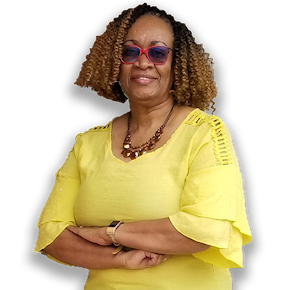
In this episode, Dr. Sev sits down with returning guest Ashlee Edwards, attorney and private money lender, to talk about why income alone is not enough. They break down common mistakes people make when trying to earn more, what cash flow really means in everyday life, and how to start making your money work more intentionally.
If you’ve ever worked hard, earned more, and still felt behind, this conversation will help you understand why—and what to do next.
Ashlee Edwards helps professionals build wealth through intentional private money lending, with a focus on legal clarity, risk awareness, and sustainable returns.
Women on the Move is a Women’s History Month series highlighting women who are building, leading, and redefining success on their own terms.
****************************************************
Join Dr. Sev’s Wealth Warriors Community for more financial discussions and insights (FREE to join): https://www.skool.com/wealth-warriors-community-1025/about
****************************************************
Join Ashlee’s Accelerators here:
*PRIVATE MONEY LENDING ACCELERATOR (MAY 2026 COHORT): https://genfinity.thrivecart.com/pmlamay26/?affiliate=drsev
*PRIVATE MONEY LENDING ACCELERATOR (AUGUST 2026 COHORT): https://genfinity.thrivecart.com/pmlaaug26/?affiliate=drsev
Instagram: instagram.com/lndrsnfrnds
Facebook: https://www.facebook.com/lndrsnfrnds
YouTube: https://www.youtube.com/@ashealways
Website: https://lndrsnfrnds.com/
****************************************************
The Dr. Sev Talks Money podcast’s mission is to empower women to approach money confidently, reframe their financial habits, and build a future where their money is a tool for opportunity and security.
Through Dr. Sev Talks Money YouTube channel and Podcast, I provide actionable advice and inspiration to help you achieve financial freedom. Join me for one-on-one coaching, group sessions, workshops, or speaking engagements as we journey to financial empowerment together. It’s never too late to begin again—let’s make it happen!
Here is one way you can support the Dr. Sev Talks Money podcast and YouTube channel:
https://www.buymeacoffee.com/DrSevTalksMoney
My website: http://www.sevtalksmoney.com
YouTube: https://www.youtube.com/c/DrSeverineBryan–SevTalksMoney
LinkedIn: https://www.linkedin.com/in/severinebryan/
Transcript

You got the raise, you added the income stream, so why does your bank account still not reflect it today? We’re getting into both sides of the money conversation, how to grow it and how to keep it working for you. Welcome back to Dr. Sev Talks, money and Women on the Move, the series where we have real conversations about money, mindset, and building the life you deserve.
I am your host, Dr. Sev, and today we’re diving into something that trips up even the highest earners. Making more money feels like the answer until it is not. My guest today knows this space. Well, she joined us for the very first episode of this series, and she is back because the conversation was that good.
We’re talking income strategies. That’s for clarity and what it really takes to stop feeling financially suffocated no matter what you earn. Welcome back, Ashlee.
Thank you. I’m excited to be here.
All righty. So let’s, let’s acknowledge some folks that are joining us. Um, um, this person said, I am Dr. Nimo. I hope I said that right.
Beverly saying hi. Um, Betty is saying hi. Thank you so much for joining us, and don’t forget you can jump in the chat and put your, put questions in, make comments. We, we like feedback. We don’t like to, we don’t like to just be lecturing you. We wanna have some conversation. Okay. All right. So let’s jump in, uh, to start with an icebreaker.
Okay.
Did you have to leave the money message you grew up with behind or have you carried them with you?
Hmm. Interesting. Um, so this is kind of a both. So the money message that I received a lot growing up was to save, save, save. Like my parents were very big savers. They still are very big savers. Um, my dad likes to save money, like in bank accounts.
My mom likes to. Stash cash, just all around the house, like in the Bible, in this book, in this old purse. Um, and play a lot of those kind of savings games growing up. And so I definitely kept those savings skills with me as an adult, but then I was exposed to investing. I had to let go of a little bit of that savings and get comfortable with the idea of growing my money.
Right? Um, the, the savings made me feel secure and comfortable, but savings is not a way to grow your money. So it’s a bit of both.
Yeah. And, and that was not part of my question, but let’s talk about that a little bit because a lot of people think, okay, I’m gonna save my way to wealth. And unfortunately that’s not a reality unless you are already a multimillionaire and then you can put all that multimillions in a savings account.
Really investing is one of the, the best ways to grow your assets. Mm-hmm. So let’s talk about that a little bit.
Yeah. Yeah. So the savings, um, it’s interesting, I actually just saw something on Instagram recently about this, but they were talking about how yeah, the banks and the credit unions and the whole system wants us to save, right?
Because. When we save and we put our money in these banks and these institutions, it enables them to go out and invest the money that we have saved with them, which is very interesting. It’s like, well, we know you like that security, you like that safety, so go ahead. Keep on saving, but we gonna take that money, okay?
Because we have a fractional reserve system. We gonna take that money, or at least a good chunk of it that you have put into the savings accounts. We gonna give you 0.1% a year. But we are gonna go and. Lend that money out to people. You know, we’re investing it. We may be buying real estate, we may be giving people credit cards, you know, however they’re doing to grow the money.
Um, but we are getting the message as consumers to save. So it’s, it’s an interesting process and it gets very deep. Um, but yeah, just on a basic level, that’s, that’s pretty much what’s happening.
Yeah, because they, they’re happy to give us. 0.1%, right? Yeah. Or 0.2% while they make 8%, 20%, 30% off of our money. Um, that’s why I’m a big, big advocate of.
Use other people’s money. Okay? Mm-hmm.
Yeah, me too.
I’m a big advocate of using other people’s money. Uh, for me, the bank thinks I’m a deadbeat because I never pay interest on my credit cards.
Yep.
So I use a credit card, I pay it off, and they never get interest from me. So I’m considered in their vernacular a deadbeat customer because I’m not making money, but I love it.
I love it
and yeah, that’s the right way, right? Like
yeah,
you can leverage it for your needs, but make sure that you are protecting your own money by not paying the interest.
Yeah. And Betty is saying here they are using our money. Sure they are. And um, she said We should invest our own money. Yeah. Yeah.
I agree.
Alright. Right, so you work with professionals who want to build real wealth, not just earn a paycheck. When someone says they wanna make a passive income, make passive income, what are usually, what is usually missing from that conversation?
Yeah, that is a really good question. I think what I see missing a lot of times is the understanding, well, I’ll say two things.
One thing that’s missing from that is the understanding that you are going to have to. Have some active role in at least setting this up. You know, like nothing’s gonna be so passive in the sense that you won’t have to do anything ever. Right? That’s just not. It’s not wise and it’s just, that’s just not how it works, right?
So I think there’s that piece of like, you either have to spend time learning how to do it or um, understanding how someone else is doing it for you, but there’s gonna be some sort of active role, at least in the beginning. And then I think the other piece that people don’t necessarily make the connection to is the cost.
Like sometimes. To learn a new strategy, you have to invest in your education, right? Like I see people all the time saying, like, charging for, let’s say a day trading course. You know, they, I hear people say, this is a scam to charge for it. You can go on YouTube and learn this. I’m like. It’s not a scam to bring convenience to someone and strategy, right?
Yes. Anyone can go and read a book. They can go and do trial and error. They can go on YouTube and learn anything, but if you want it. Curated for you in a certain way, if you want it tailored to your needs. If you want it to be delivered in a certain format, you’re paying for that. Um, I think sometimes people, they miss that piece too, right?
They think that it should just be accessible. Even though you, Dr. Sev put six months of your life into creating this and making it for this audience, they think they should just get it for free. And so I think that there’s a disconnect sometimes in those two areas.
Yeah, and then, then think about those people too, when they have that mindset, which to me is a poverty mindset.
Mm-hmm.
You are trying to build a business and even if you don’t pay for somebody to teach you or to learn the thing you want to learn, you are gonna be charging somebody for that service.
Yeah.
So, you know, if you are thinking that the laborer is not worthy of their hire. Then why should we hire you?
Because your, your mindset is you don’t deserve my money, but everybody, every, I deserve everybody else’s money.
Right?
So, and that again, to me is poverty mindset. So, and the other thing you talk about was, you know, them, um, um, getting the, the education going, getting some education. It’s not just that YouTube, it’s about accountability.
It’s about support. It’s about all of those other things outside of getting the information. I can go to YouTube, I can go to chat, GPT, I can chat. GPT can tell me all the things. Claude can tell me all the things, but the accountability, the application, the what if, because that’s generic information. But I can tailor that to your situation.
And even as we’re talking here, this is generic information. I don’t know your situation. I don’t know what your bank account looks like. I don’t know what your, what your debt debt load is. I don’t know any of those things. So this is generic, so if you are wanting something tailored to you. That’s not gonna be a YouTube, that’s not gonna be a GPT.
So I’m talking to somebody right now who has that poverty mindset. Come on now. Come on now. Come on.
Okay. Yeah, yeah,
yeah. Um, and, and, um, hey, Dr. Ninja Targa, uh, he said, I use my education to get out of poverty. Okay. You know, in investing in ourselves. Yeah, it’s not investing in the knowledge, it’s investing in ourselves.
Mm-hmm. Because here’s the thing too, and I didn’t mean to go down this road, but maybe it’s, we need to, right?
Yeah.
Um, it’s investing and building up yourself. It’s not just the, the information. Because once you get that information, once you get that, get that knowledge, it’s your. Forever. Mm-hmm. And here’s another thing that you may not be considering, is once you get that knowledge, you can now teach somebody, chart somebody to teach it.
Be, uh, teach, well chart somebody while you teach it, because every one of us has a little bit more knowledge than the next person. And we don’t have to be a, a, a, know-it-all to teach or to, to, um, get somebody to pay somebody or to get somebody to pay. For the service, all we need to do is a little bit more than that next person.
Mm-hmm.
And we charge them for that knowledge that we have that they don’t have. And then as they get that knowledge, here’s, we advance. They advance and you know, it builds on itself. So,
yeah, and that’s, I heard somewhere, I think it was a podcast once actually. He said it doesn’t take a 10 to teach a two, and that just stuck with me forever.
I was like, oh my gosh, you’re so right. Like you don’t need to necessarily be an expert to help. Someone who had knows nothing about the topic, get to the next level. And on your point about, um, people, you know, not understanding that once they have this knowledge, it’s always theirs. What I’ve seen with a lot of people is they actually just on a deeper level, do not trust themselves to do anything with the information.
Yeah. And I think that is really the piece because, you know, they’ve been telling themselves for years like. I’m gonna do this. And then they’ve realized that they’ve been breaking promises to themselves over and over and over again, and our minds take note of that. Our bodies take note of that. And when you have been one of those people who you break your own commitments to yourself, then there’s a pattern that emerges and it makes it harder to do things like investing your own education because you have taught yourself that.
You are not gonna do anything with that. Right. So why even bother? It’s not even worth it. And then all of a sudden it’s a scam. You know? And so I’ve seen those types of patterns happening too, and it’s unfortunate.
Yeah. Yeah. Chronic course takers, right? Always taking, we’re always in a course, always doing a new class, always doing, but no execution.
And it stops today. We’re not, we’re not going, we’re not doing that anymore.
Yeah. We’re definitely not doing that. That’s one of my pet peeves. Yeah.
All right. The last time you were here, you walked us through private lending as an income stream. So for someone who heard that and thought, I’m not ready for that yet.
What are some more acceptable ways to start growing income right now? And you can kind of refresh us on the private money lending before you go into those other option options.
Yeah, so private money lending is using your own money. So that can be your savings account, it can be your. Retirement funds and you’re taking that money and you are loaning it out to a investor or a business owner so that they can expand or complete their project.
So you’re giving a loan directly to that entity for that specific project. And these loans can be anywhere from a few weeks to 30 years. You know, it just depends on the need and how it’s structured. You decide on the interest rate, you decide on the terms, and that’s private money lending, but there’s a, there’s just so many ways to make money in this world.
Yes. Okay. And I, I am constantly surprised, just even driving down the street, me and my husband were talking about this. Every building you see is somebody’s business. Like,
yes.
Every single building, right? There’s so many more business owners in the world than we even realize. And I have experimented with different ways over the years of making money.
Um, I’m talking about. I mean, I’ve switched careers. I started off as a teacher, uh, yeah, that didn’t last for very long. Uh, transitioned to an attorney, which is what I do now. I’ve been a home inspector. Um, I recently was licensed, or I’m getting my license to be a mortgage loan originator. I mean, there’s.
There’s so many ways I’ve sold things. Um, I’ve done consulting. ’cause we all have skills, right? There’s something that, you know, that you can teach someone else or at least give them advice on so they can do it. Um, but if someone’s not ready for private money lending, I would consider just something simple like dollar cost averaging in the stock market, right?
There’s a book called, um, why does the Stock Market go Up? And it sounds dry, but it’s actually a very good book about the history of the stock market, how it works in very plain language. Like I would say it’s at a third grade reading level. So I really enjoyed it. You know, I didn’t find myself confused at the words, and I was like, if I had this book, you know, at 18, I would be in a totally different position than right now.
You know, if I just started investing $5 a month. In the stock market, you know, and then increase that amount as I earn more money. That would’ve been an excellent start for me, right? But I didn’t have that foundational knowledge. Um, and so I would do something like that. Read that book, you know, maybe listen to it on audio, wrap your head around something like the stock market and, and why it does what it does and how it works, and just start putting the same amount in it.
Every month, every week, whatever works for you. Um, and just continue your learning while you’re doing that. That’s what I would suggest.
Yeah. And if you can type the name of the book in the comments too, so they can direct it in the comments, not in the private chat, that would be wonderful. Um, yeah, because right now stock are in sale and, and so as you are putting in.
Ashley mentioned dollar, dollar cost averaging you. If you’re putting $10 in every time and you are maybe getting, you know, um, the s and p 500, for example. Um, when, when. Uh, medical stocks go up, you get those on the discount. Uh, well, you, you get, maybe you get a smaller portion of it, but when maybe tech stocks go down, you’re getting a discount on those stocks.
Mm-hmm. So you’re, you’re, you know, over time, you’re, you’re, you’re. You are better off putting in a consistent small amount in the stock market. That’s the one regret that I have, um, that I did not start earlier. Yeah. And I start and my daughter hear me talking about these things and she started at 24, so now she has all the, all the accounts because she heard me talking about.
The possibilities and why I’m able to do what I do now because of those, even though I started late because of those, um, those actions
that I took
late.
You started late, okay. My mom just started investing in the stock market like two months ago and she just turned 60, so I don’t even know that there’s like a late, or, I don’t know.
I don’t know. I just, it, I think it’s when you get the information and when you’re ready to act on the information. She has, that was not her first time being exposed to that information, but something about her, you know, about to turn 60 is what opened up the door for her. Right. She’s in like a, a monthly program where they teach about stocks and she’s investing with a group of girls and she’s just having a great time.
Right. At 60. Yeah. You know, it’s not too late for her. Right. She’s fine. Yeah. Yeah.
Yeah. It, it really, it’s really never too late. I’m, that’s the subtitle of my book that I’m writing, um, that I’ve been writing for like four years, 90% done, and I’ve just been sitting on it. But, um, that’s another story or another thing.
Yeah. But yeah, you’re right. You know, it’s just because I came to this country in my late twenties and I, and I didn’t start over until my thirties. So, so when I say late, I’m talking in context that, in that context
mm-hmm.
That I didn’t start, and even though I left corporate America. I still, you know, I, I would’ve had a longer runway before I left.
Um, you know, if I were here and were doing things like that, I mean, I was just more into, uh, church and accounting and that was my world.
Yeah.
All right. So what are some money mistakes that, or some mistakes that you see people make when they try to earn money? And I think we talked about a couple of those.
Mm-hmm. I think one mistake I see is, um, people only looking at strategies where they’re trading time for money. Um, you know, once you start to earn a lot of money, um, but you realize that you don’t have a lot of time. There’s a shift that happens where you’re like, wait a minute. I think this whole time thing is much more scarce and much more important than money.
Like, how can I preserve my time but still make money? Um, and that is where I think those creative thoughts come of like, wait a minute, my money should be. Making money. Babies, while I’m sleeping, right, my money should be working even though I’m off the clock. And so that’s one thing I see. And another thing I see is, um, when people are trying to make more money, they’re trying to play it small all the time.
Um, sometimes I feel like people are just very risk averse. And I mean, that could be for various reasons, but sometimes I feel like the, some of the best ways to make money is ownership, right? Like. Just having your own business or you know, selling your knowledge or owning real estate that you can rent out, like ownership to me is often overlooked.
People often first go to get a second job or you know, they wanna drive Uber or whatever. Another changing time for money. But I think ownership is something that is overlooked.
Yeah. And uh, I think proximity. To the things that are prevalent. It’s one of the reasons why people go for the obvious.
Mm-hmm.
And instead of really looking at really my options based on my, my talent, based on, um, you know, based on all the other things that I can do based on my resources, based on my finances, my time, whatever. Um, but because some things are talked up a lot.
Yeah,
people run to those things. And again, this is one of the reasons why we do these shows because we want to expose people to the things that are not as common, not as prevalent, not as, um, mainstream.
Mm-hmm. Um, that, that you probably won’t see in a lot of mainstream articles. These are, some of these are strategies that the rich have used for years. And with the internet and the prevalence of, um, social media and, uh, chat, GPT and all those things, we are now able to see these things
mm-hmm.
And have access, easier access to them and, and can do some research, um, to find out more about them.
Yeah.
All right, so what I wanna do right now is just kind of give, send you an invitation and then we’ll come right back. Hey friends, quick pause. If you’re enjoying today’s episode, the best way to support the show is to share it and leave a rating on your favorite podcast platform, and you know it. Five is our favorite number, and if you’re watching on YouTube, don’t forget to like,
subscribe, and share.
Thank you.
Okay, so we are back. And now let’s talk about, we talked about how to get income. Um, what are some ways that we can get income? What are some ways that we can pay attention to the way we’re getting income? Mm-hmm. Um, our mindset around income. Now let’s talk about cash flow, because it’s not just about getting the money.
How do you manage it? That’s the right there, right? Money and high earners especially. We get that money, but. Where is the money? What happens? So let’s talk about that. What is cash flow and what are some things that people need to consider when managing it?
Yeah. Okay. So cash flow is just the movement of money really, um, over time.
So it’s the in and out of money transactions. There’s positive cash flow, so. That means that on a regular cadence, the amount of money coming in is more than the amount of money going out. Then there’s negative cashflow over time. There’s more going up, then there’s more coming in. Right? And so naturally we want positive cashflow.
I mean, that’s, that’s what I want. I’m not, I don’t know. Y’all tell me if that’s what you want, but Yeah,
I want more negative cash flow.
Right, exactly. I want positive cash flow. But the thing with cash flow is. You don’t actually know if your cashflow is positive or negative unless you’re tracking it.
Right? Um, and it’s interesting. People will assume a certain thing is happening, but until you start actually looking at the numbers and there’s apps that can help you with this, there’s, you know, software, until you actually start paying attention, you won’t really know what’s happening with your cashflow.
And so that’s, that’s what I would say cashflow is.
Yeah. So let’s talk about the person now who has made making more money. They’re consistently getting the raises, they are getting the, the, um, the side hustle, uh, money. They’re getting all of that, but they still feel broke at the end of the month. What are some things that could possibly be going on there?
You know, I think lifestyle creep is one of the biggest things that that happened to people. It definitely happened to me. I went from being a teacher, I was just telling my cousin this. I went from being a teacher, a special ed teacher. I was making $47,450 a year when I stopped teaching. Um, I went to law school and then my first job out of law school, I was making 180,000.
So you can imagine. The type of lifestyle creep.
I made it.
I was like, wait a minute, hold on, hold on. Y’all gonna gimme how much? Twice a month. You know? I was like in shock and. It was more of a lifestyle spike than a creep in that situation. But a lot of times with our raises, right, you know, a lot of jobs will give you a one to 3% raise per year.
And what people do is, instead of calculating and seeing like, okay, what is the difference between what I was making this January and what I’m making last, or what I was making last January, and taking that money in. Doing something productive with it. Instead, they’ll do something like add another smoothie to their week or, you know, and get a better gym membership.
Or, you know, maybe they were leasing a car and they’re like, oh, now I can get an even better car. You know? And so lifestyle creep, I think can absorb some of those earnings. Um, but then I also think there’s this like tax that comes with. Some of us, you know, like we grew up in a certain family and if we are the ones that made it, we are expected to help other people, right?
Like people start asking for money. I experienced a little bit of that. Um, you know, praise God that I have strong boundaries, but some people experience that and you know, they feel guilty, right? It’s like survivor’s guilt and now they feel like they gotta take care. The mama, the auntie, everybody, you know?
And so those are two big things that I see happening. You know where when they figure out, where’s the money? I have all this money, but where is it going? It’s going to everybody except you, or it’s going to additional stuff that you have brought into your life. Yeah.
Yeah. Yeah, that’s definitely, I, in fact, I have, I think I have a couple of, um, episodes that I did solo episodes that I did talking about lifestyle creep.
Mm-hmm. And, um, and, and sometimes it’s not a bad thing in the, in the sense that the money, you know, you’re spending on some frivolous thing. It’s just the little things that creep in. Like you said, you know, hey, now you’re feeling guilty because. Somebody needs money for college, and so you give that and they say it’s with good intent.
Mm-hmm. The problem is if you haven’t done the assessment. To see if, can I do this or maybe give up the sum of it, not the full tuition. Maybe I can give a thousand dollars or something. If you haven’t assessed that, you then, that’s where you know, the, the negative comes in. Then you start having negative cash flow and you’re not thinking about your future too, because you’re like, oh, well I’m making 180,000.
We saw what happened and how many black women were kicked out of the workplace, and I’m saying kicked out because that’s what happened and, and. All those people. Now, if there are people depending on them now, they don’t have that resource. And if they did not do the assessment to put money aside for themselves, then who?
Who do they go to? Because they’re always the strong one. Everybody looks to them. And now that they’re no longer in the position financially, who do they call on? So, you know, so the thing is not, we’re not saying not to give to other people not to enjoy the fruits of your labor. We’re saying let’s do a balance.
Let’s, let’s make it a balanced act where I’m also looking at my future severing. The one who wants to lay on the beach. Yeah. You know, wrinkles and all in her nineties, you know? Yeah. What can I do now to be a blessing to family, take care of myself so that in the future I have some security. So, yeah. Yeah.
And, and Dr. Um, ninja Tur saying Here, I did lifestyle creep until I learned better. You know, and again, it, the, the lifestyle creep itself is not bad. It’s the way it takes over the income. ’cause we use it in a bad way. We say lifestyle creep. But if you think about it. If you have more money and there are things that you need, yeah, it’s okay to get them.
You know, don’t just stop, save everything. Don’t be like me and save, save, save and not, you know, take care of you. You can do that and still set money aside. So lifestyle creep in that sense is not a bad thing. Um, because you have more money. You can do more for yourself and your family, but also make sure that you’re taking care of, um.
You know, the future you.
Yeah. Yeah. And that can be hard. I, I read a book that mentioned a study that people don’t feel as connected to their future selves as they do to their present selves. And so it makes it harder to do things like. Prioritize your retirement account or, um, you know, have an emergency fund.
It’s because we, when we think of our future selves, we, we can’t even envision like a much older version of ourselves. Um, so we, we don’t feel empathy for, you know, 90-year-old Ashley who wants to lay out on the beach. Right?
Yeah.
I’m only thinking about current Ashley, so,
yeah. Yeah, yeah. And, and I can see that.
And, and that’s why when, when I lead with these kind of conversation, I lead, lead with empathy. Um, I don’t say You shouldn’t do this and you’re stupid and like some other folks, I’m not saying I would never say that to people because there are so many nuances to our finances and the way we approach it.
Um, because for, you know, for us, the more you learn, the more you can kind of, um, make different adjustments. Mm-hmm. And knowing better sometimes doesn’t mean doing better. At least if we have the knowledge at some point it may become doing better.
Yeah.
Yeah.
I agree.
Yeah. So let’s, um, uh, talk to that woman or male man who’s listening right now.
Mm-hmm.
The one who is working hard and still feel behind. What do you want her to walk away with?
Ooh. They feel behind. Um. Well, the first thing I would say is maybe just have more compassion on yourself. Um, I think people make up these timelines. I saw this video, um, of someone saying, oh, if if only I’m new in 1990, um, that that market crash was gonna happen, I would’ve bought a house.
And I’m like, wait, isn’t that the year you were born? Like, and so there’s just this sense of like missed opportunity and. Um, you know, there’s the, having so much visibility to what other people are doing is making us feel like we, there’s some timeline that happened and we came in late, you know, and I think that does more harm than good.
I think if we just have compassion on ourselves. I mean, but be firm though, you know, I’m not saying give yourself. 10 years to do what can take 10 days. I’m saying have compassion on yourself for where you are. Um, make it clear what you want. ’cause that’s another gap that I see with a lot of people. They don’t actually know what they want.
They know what other people want for them, but they can’t articulate what they want. And so, you know, once you know what you want, I would, you know, just priorit prioritize what it takes to actually get there. And just to spin from your mind. Any of these invisible dates and timelines. ’cause I had a similar feeling with kids, right?
Like. I’m 36 and you know, some of the older people are telling me like, oh my God, you’re so late. I had my first kid at 20. I’m like, I was in college. Like, what? Like I’m not late. You know what I mean? Like, like, oh, well you put your career first. I’m like, oh, I just didn’t wanna be a broke parent. Like, like I’m on my own timeline.
Okay. You know, and so having to let go of some of that pressure and just, just do what works for you. Yeah,
so many times we take on other people’s expectation. And that’s how we start. We even go into careers based on other people’s expectations or, or parents, or especially Caribbean parents, um mm-hmm.
You know, they’re like, go to go to college and you need to become a doctor or a lawyer, or something like that. Right? And, and so a lot of us go to college and take on those, um. Those careers when really that’s not really what we want. We’re, we’re living other people’s lives. And, and, and what you said resonates so deeply because we need to know who we are and what we want so that we can, um, make the decision that’s going to benefit us.
And there are a lot of things. There is the. Um, I’m, I’m blanking on the, the name of the different tests that we can do, you know, where you get the INJF and Oh,
Myers Briggs.
Myers-Briggs and mm-hmm. This
assessment?
Yeah. There are different assessments that you can do to, um, to learn about you so that you can, um, you know, so that you can figure out what is the, what, what are some of the best things, um, or the best ways for me to build wealth.
Am I a, um, you know, a, um, I am, I, uh, risk averse. Mm-hmm. Um, you know, am I risk, am I avoidant? What am what am I, yeah. And, and so these tests will help us to know about ourselves. That will now help us to see what is the best career for me? What is the best type of career? What is the best, uh, type of maybe even community that I wanna live in.
Mm-hmm. So many things, but if, if we are so. Hung up on living other people’s lives or living lives based on other people’s expectations.
Mm-hmm.
Then it’s gonna be hard for us to, um, to even sometimes be happy.
Yeah.
You know,
I think I would also say just try some things out. People are so hesitant to experiment and fail, you know, like people just wanna be safe and not try because they’re scared it’s gonna go wrong, but.
I, we, we are only here for a certain amount of time. You know, I think that it’s in our best interest to just, just check it out and see what happens. You know, like, I’m not saying go gamble your mortgage, okay. I’m saying just try it out. Right? You know, if you, if there’s something that you’re interested in doing or a way of making money that you’ve been thinking about and you just haven’t done it, just pull the trigger and do it.
You don’t have to know every single thing about it. To start doing it. That’s another thing, right? Yeah. You can jump in and you will learn and trust in your own resilience and intelligence. Yes. If something goes wrong, you will figure it out because you always figure it out, right? Yeah. You know, that’s just how it is and you’re gonna be okay and you’ll be stronger for it at the end.
So
yeah. I mean we, if you look back at some of the things that we did, um, in the past of where we thought the world ended,
right? The
world is going to end and you look back at those things and the world didn’t end. Um, and there, you know, we can always reverse things. Some things may cost a little bit more to reverse.
Mm-hmm. But we can always reverse things. So, um, thank you everyone who stayed in the chat and, um, shared your thoughts with us. We really, really appreciate it. And actually thank you for coming back and sharing so many gems and for my friends we’re watching or we’d be watching the replay or listening on the podcast.
More income without intention is just more money going somewhere. You did not plan. Yeah. And I know something from today’s conversation hit home. So I want you to do one thing before you go to sleep tonight. Just one. Write down where you think your money is going this month. Not a budget, just a guess.
That awareness is where it starts.
Mm-hmm.
And follow Ashley using the links in the description and come find me at Dr. Said Talks money and all podcast platforms in YouTube. And before I say goodbye, Ashley, what is something you’re working on now that maybe you could, um, the people can support you with?
Yeah, thanks for asking. I’m working on my next accelerator cohort, so it starts in May. And what I do in that cohort is I teach people how to use their idle money, right? So I had some idle money in my retirement account and I was gonna use it for a fix and flip, but I ended up using it for private money lending, um, making between 10 and 20%.
On my money, you know, in less than a year per loan. And it’s just been amazing. And I think more of us need to know about this. And unfortunately, we are just now getting exposed. This is something that people have been doing for. Centuries. Um, and so we are just getting in and I wanna expose as many people as possible to a way where they can grow their money faster so we can be free.
So the next cohort starts in May. It’s four weeks, and it’s directly with me teaching you how to loan out your own money. So feel free to join me.
All righty. Well, I will have all of Ashley information, including the link to the accelerator and the description of this video, and then also in the description of the show notes for the podcast, if you are watching it or listening on the, any of the podcast platforms like Apple Podcast, uh, Spotify, Amazon Music, or any of those.
So Ashlee, thank you again, um, for joining us. And thank you all again for watching and listening. Join us again next Sunday when we’ll be wrapping up the Women’s History Month series of Women on the Move. Join us at 6:00 PM where our guests will be. Nia Adams Un. Until then, please take care of yourself and your money.
Bye.